

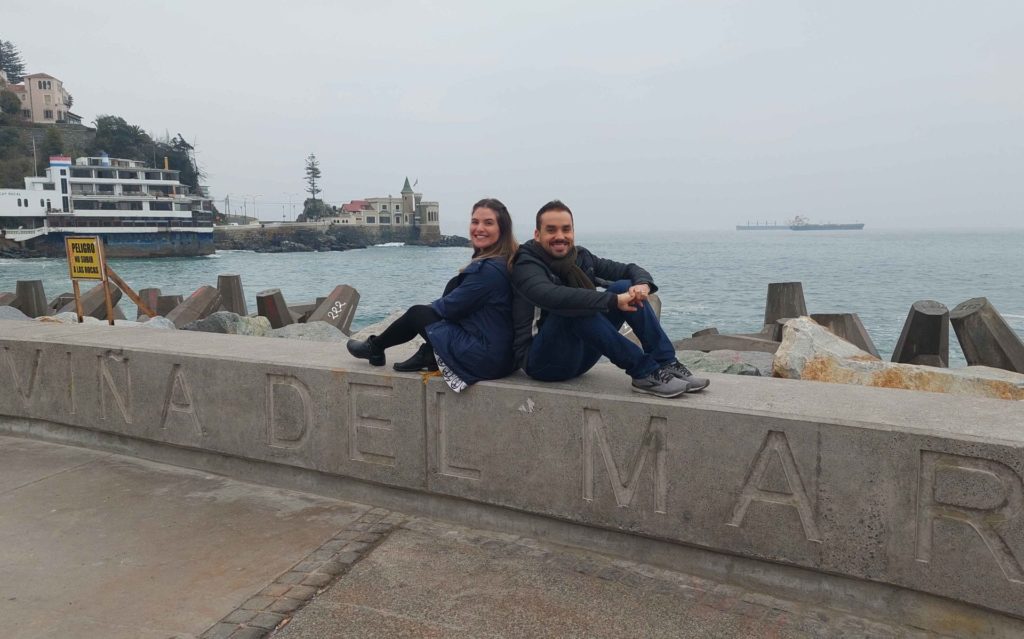
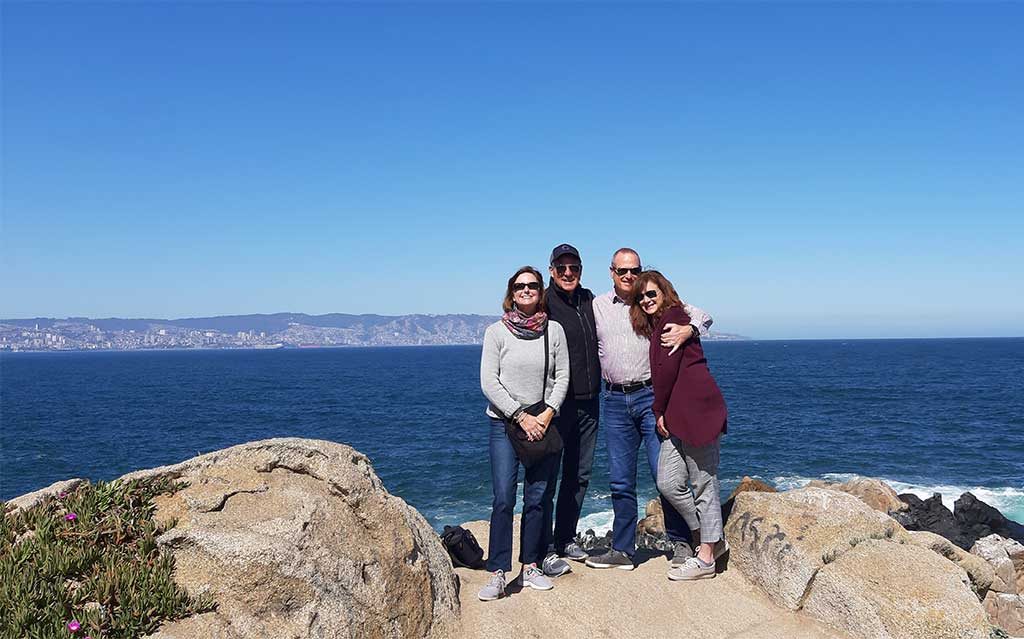
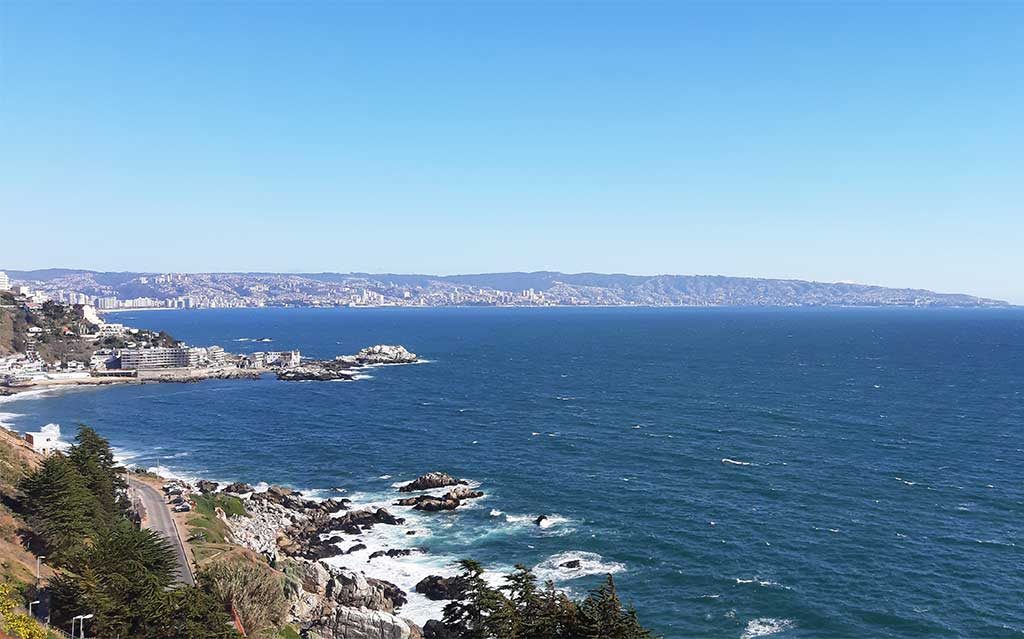
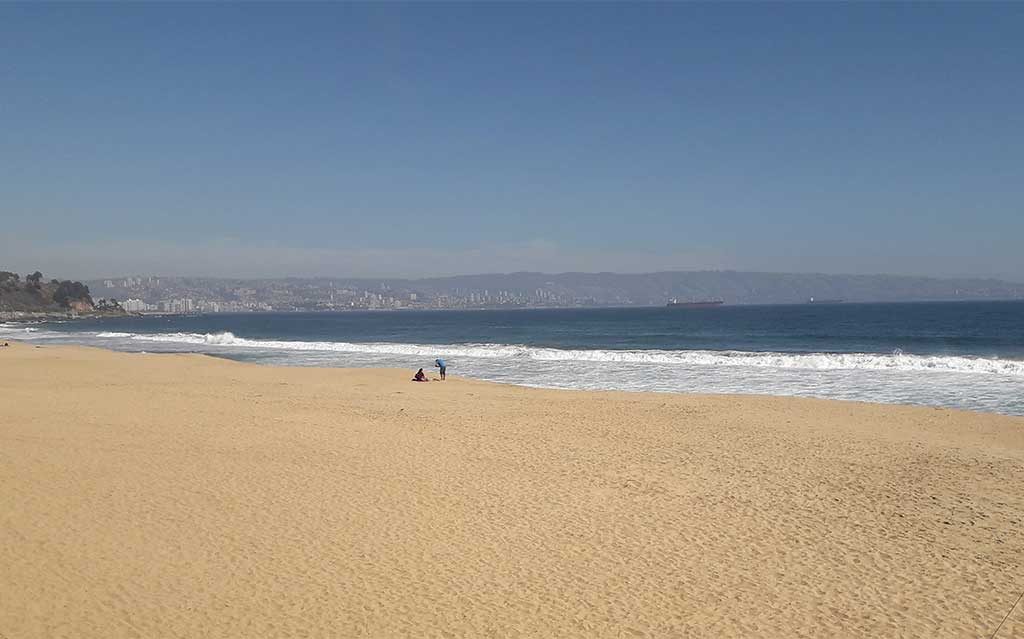
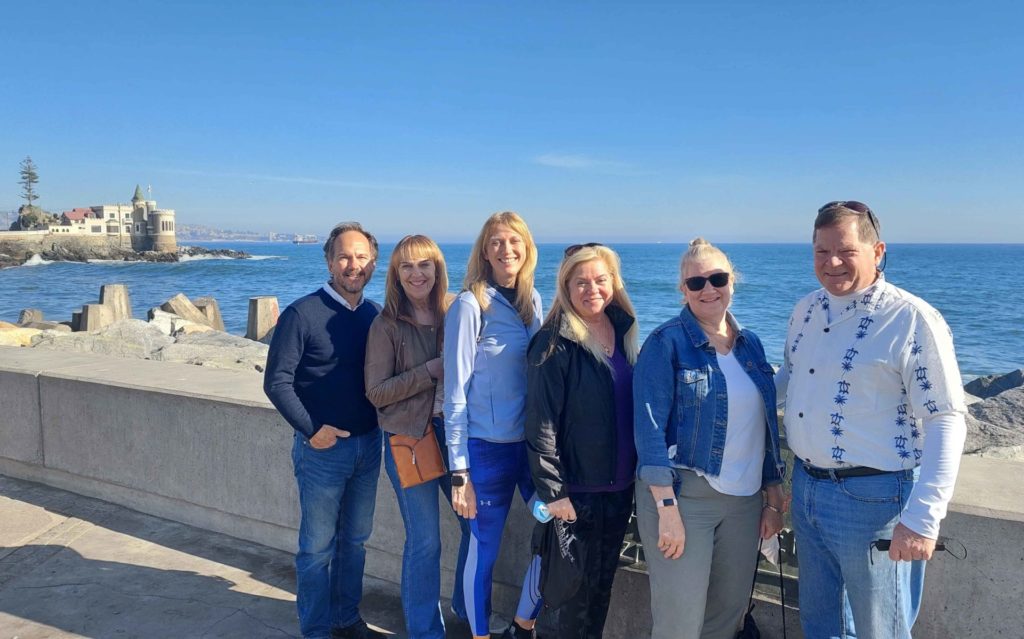
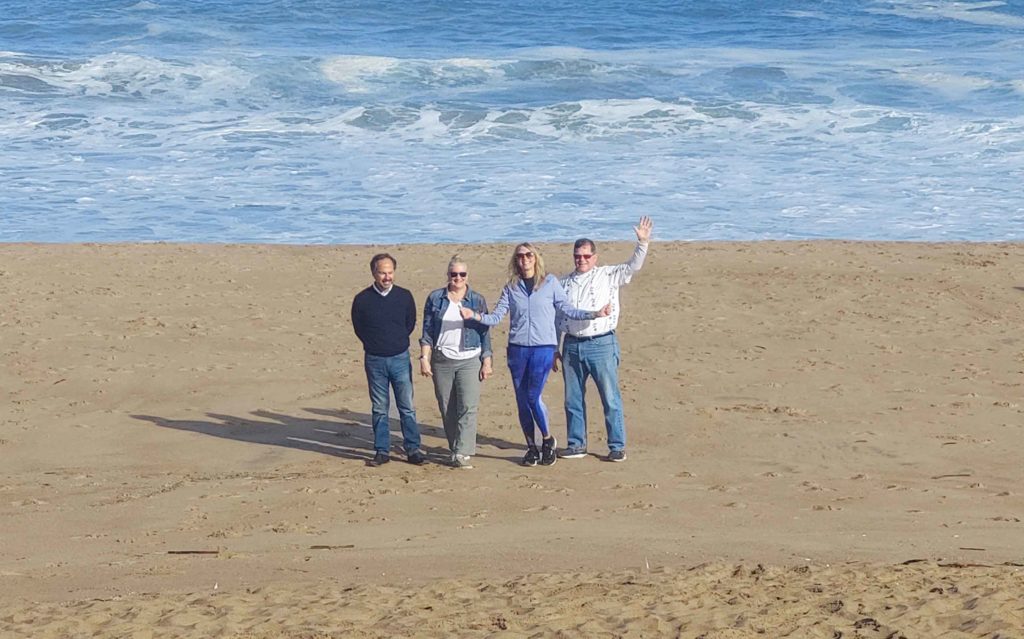
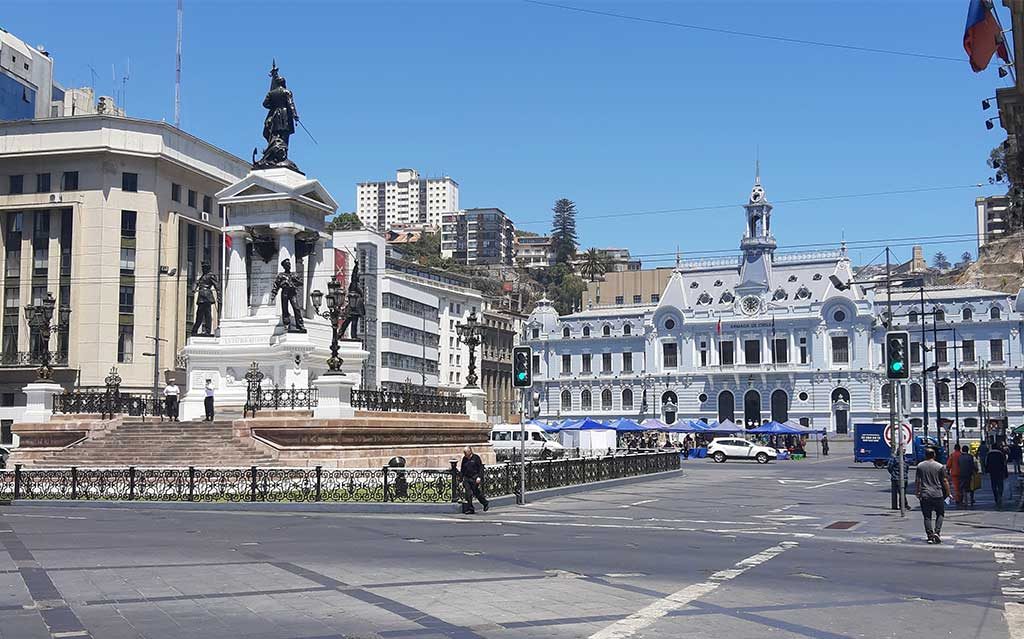
No trip to Chile is complete without visiting the colorful coastal cities of Valparaiso and Viña del Mar. Our tour begins with your hotel pick up and then an hour and a half drive to the Chilean coastline.
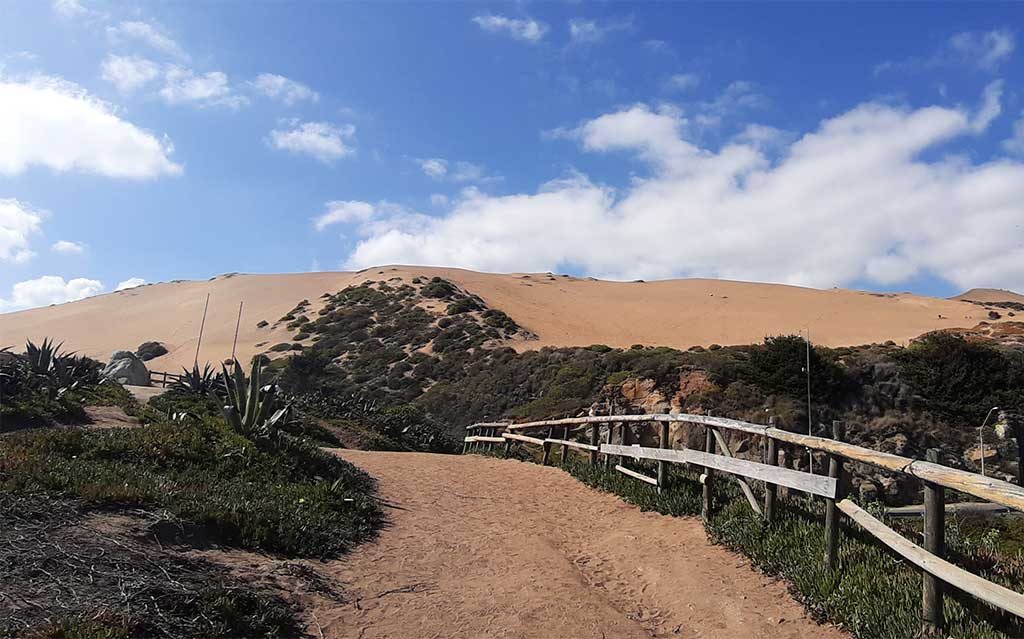
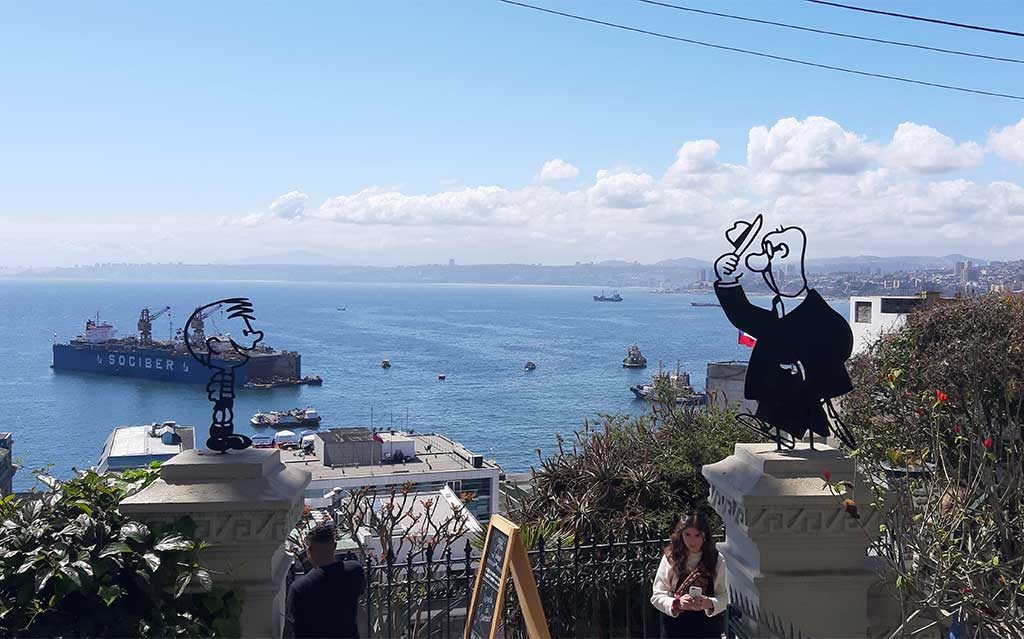
We start the drive along the coast in Concon, known for its seaside restaurants and surf shops. We pass by the impressive Concon Sand Dunes where you will have panoramic views of Valparaiso Harbor.
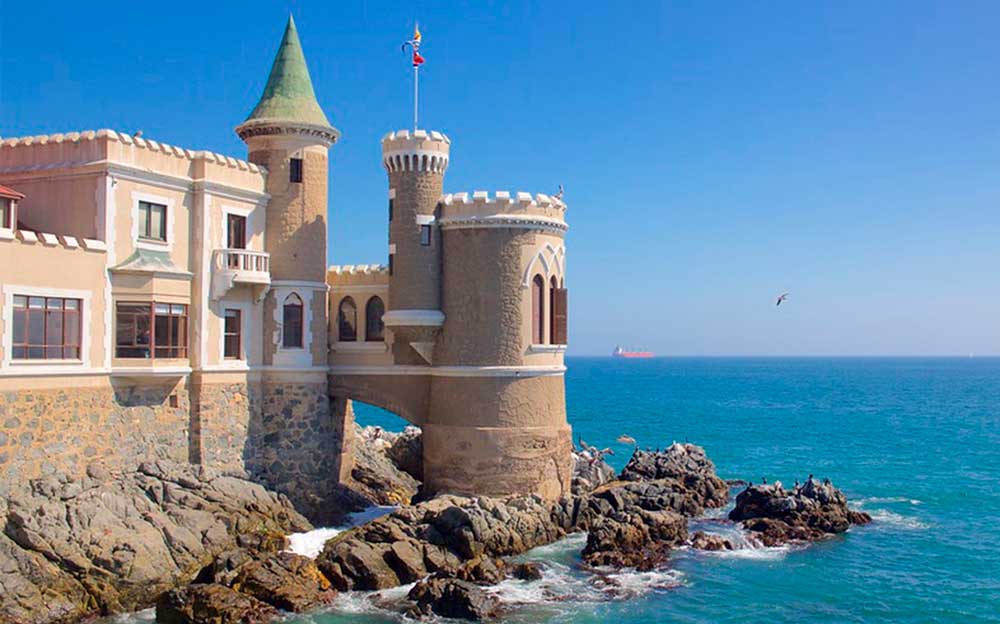
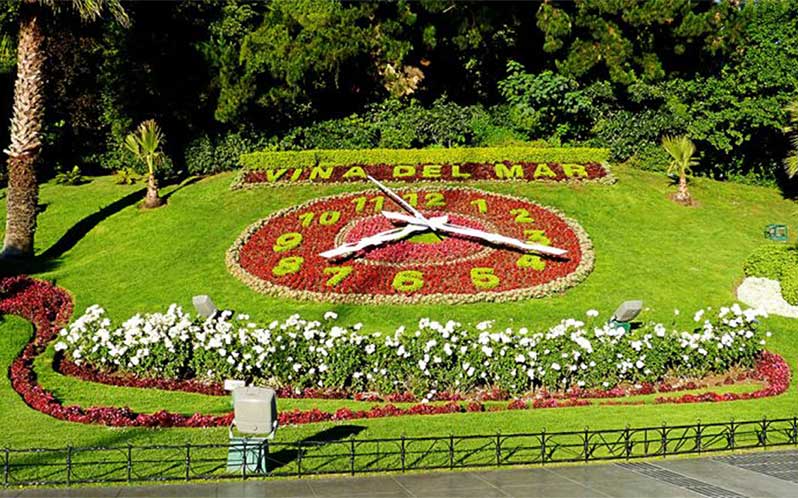
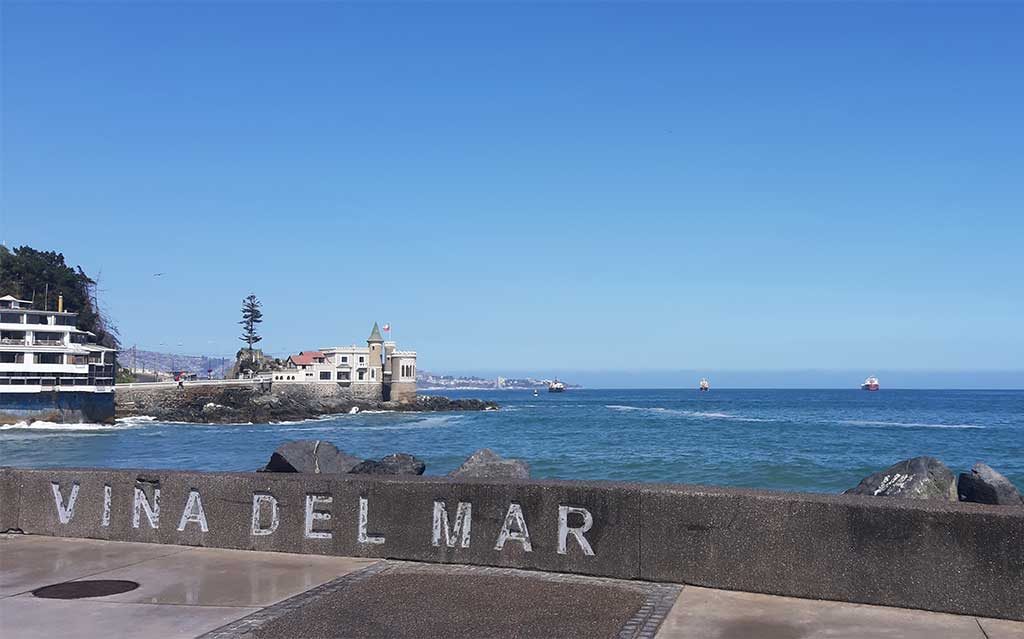
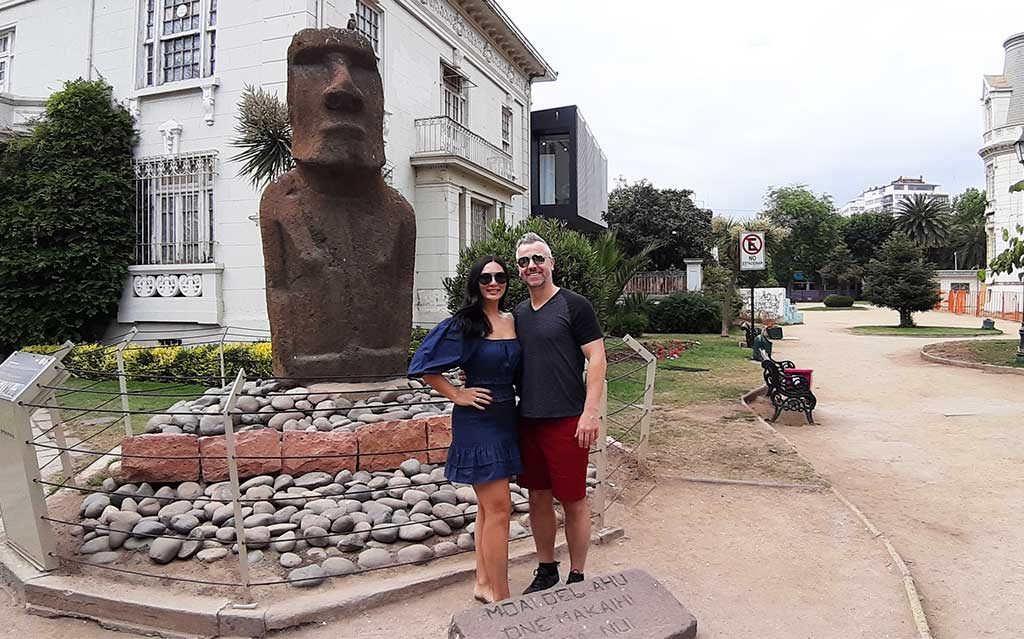
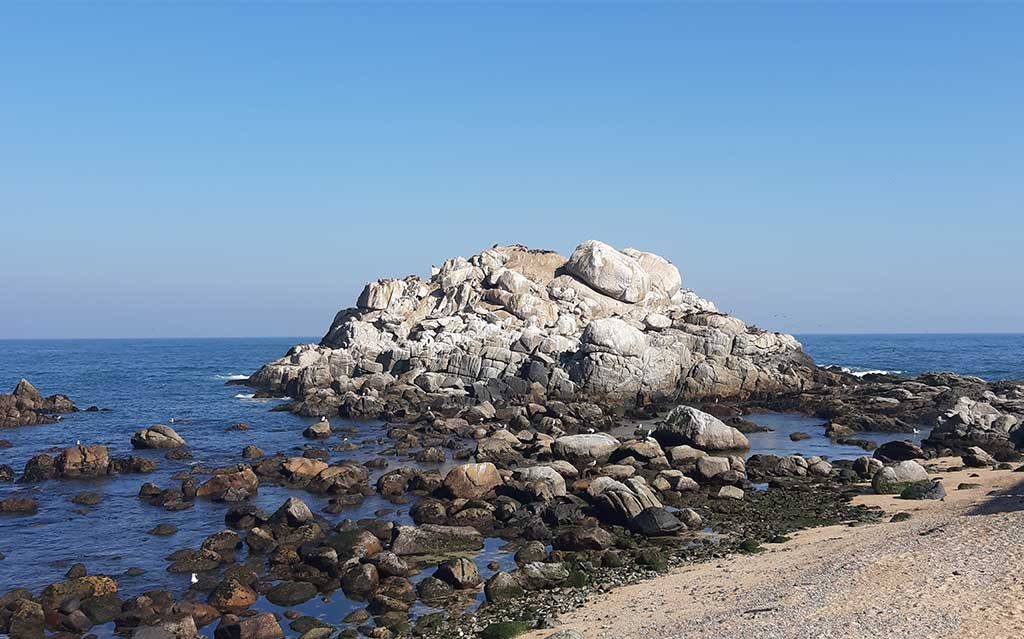
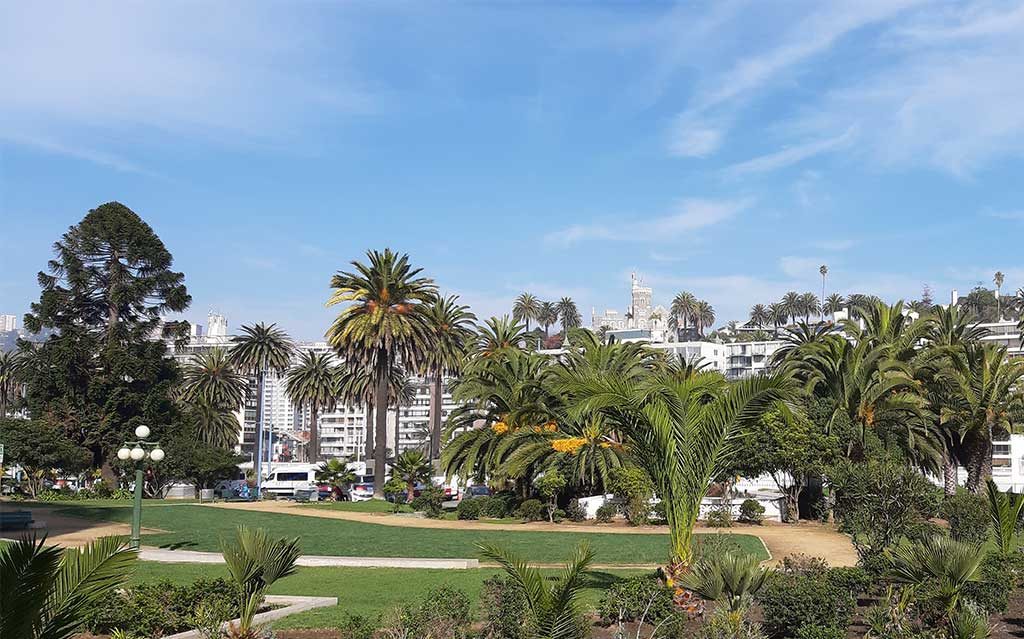
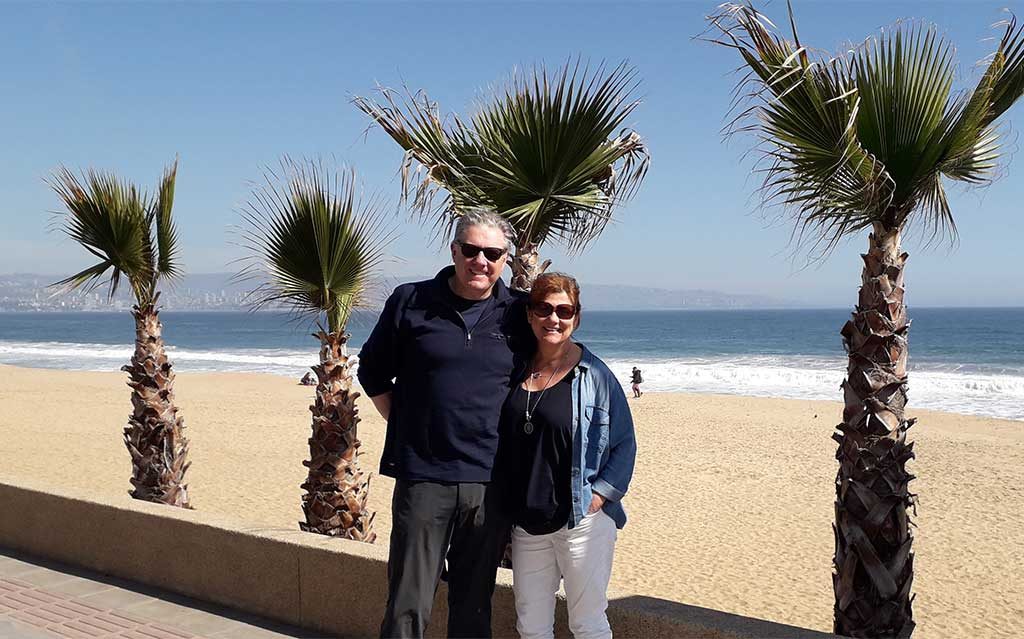
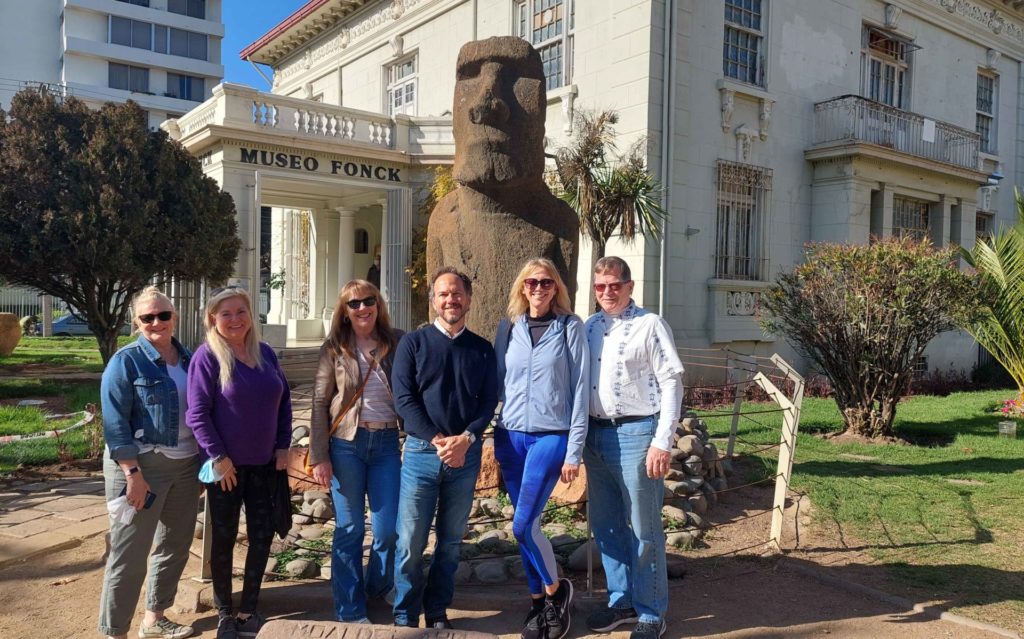
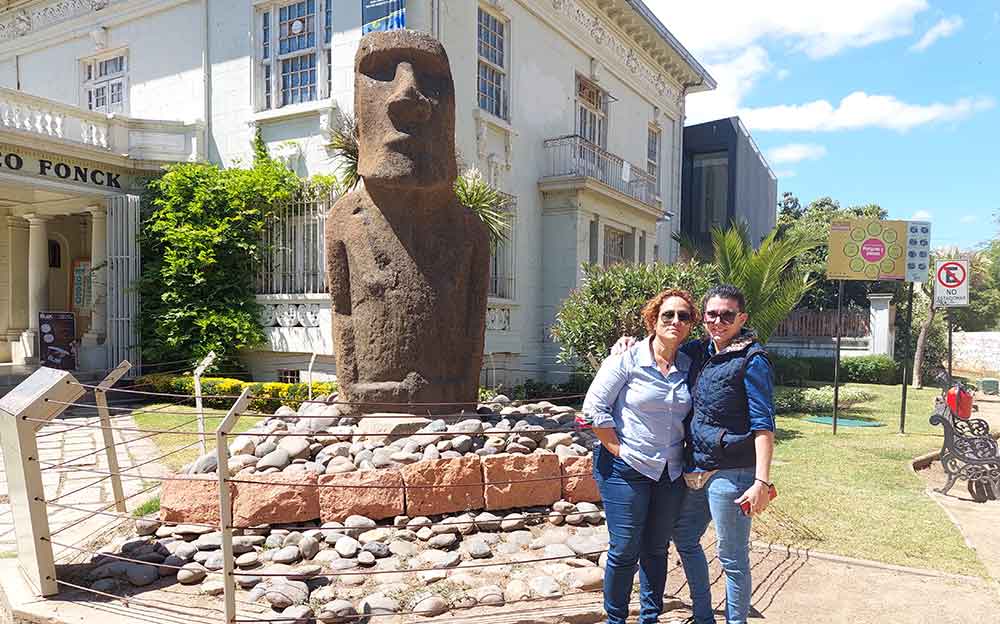
The tour continues by the popular beach town of Reñaca where on most days we will spot sea lions lying on the coastal rocks. We then drive through Viña del Mar, Chile’s “Garden City,” where you will see the city’s landmarks, including the Flower Clock and Casino, a “Moai” statue from Easter Island, as well as the city’s pristine beaches.
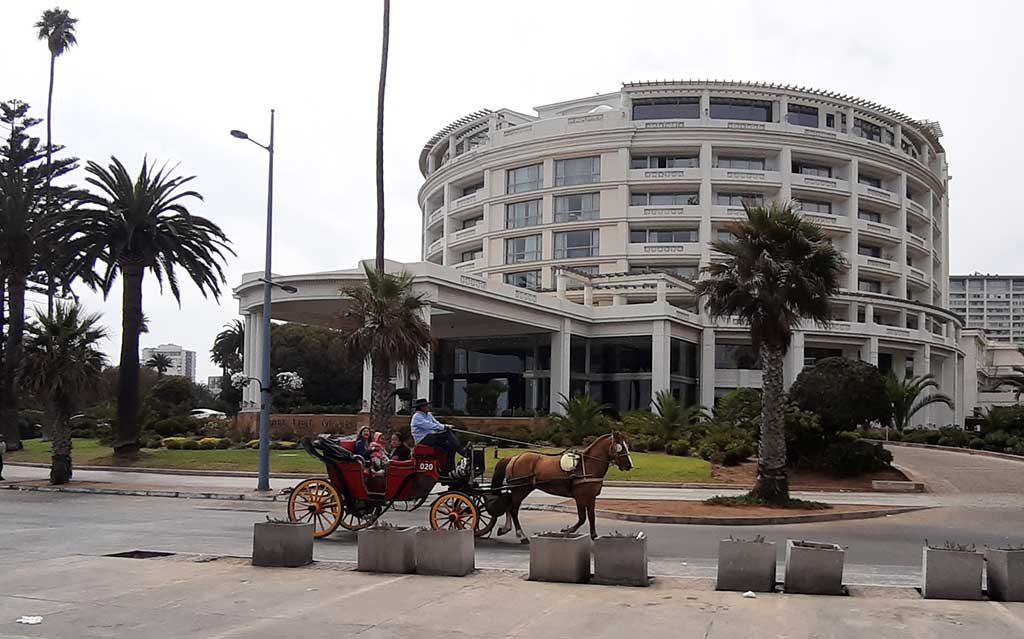
The city of Viña del Mar was founded in 1874, by engineer Jose Francisco Vergara Echevers, and has grown into Chile’s most luxurious resort town, attracting visitors from all over the world with a tropical atmosphere, white sand beaches, and an abundance of gourmet restaurants. While Viña del Mar’s celebrity has brought it many sleek, modern buildings and hotels, the character of the town is set by its many charming colonial houses. Viña del Mar is also famous for its International Music Festival held every year on the last week of February and lasts for five days. It is very popular among Chileans and the Spanish music world and effectively marks the end of the summer season.
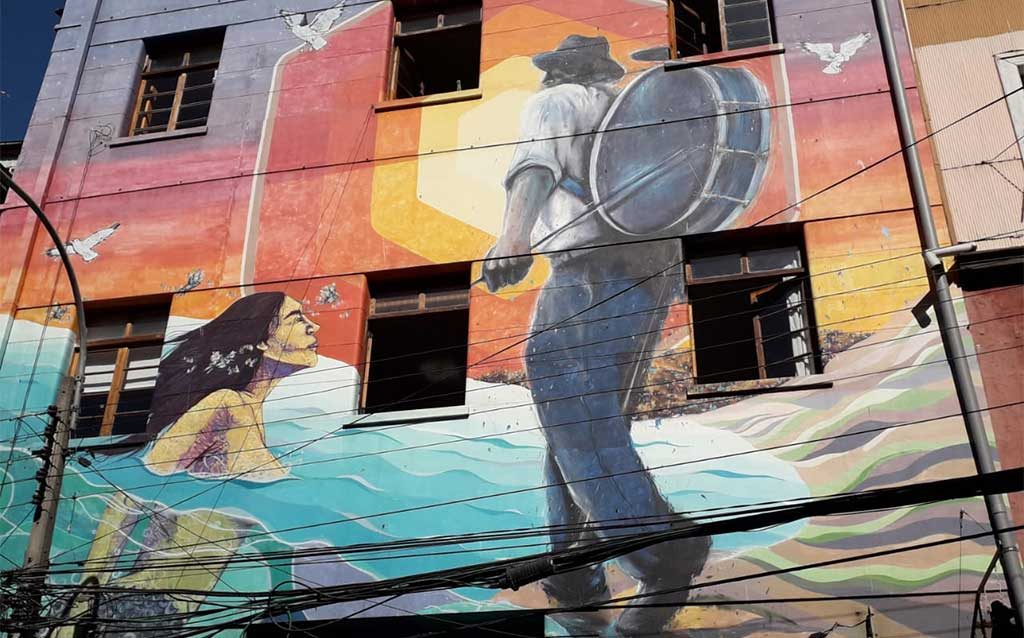
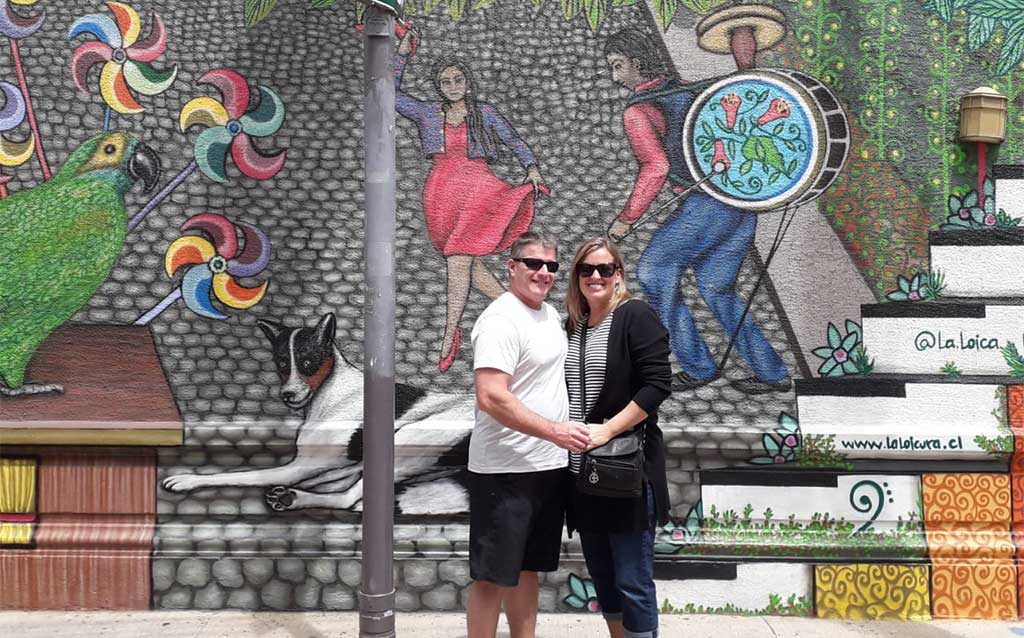
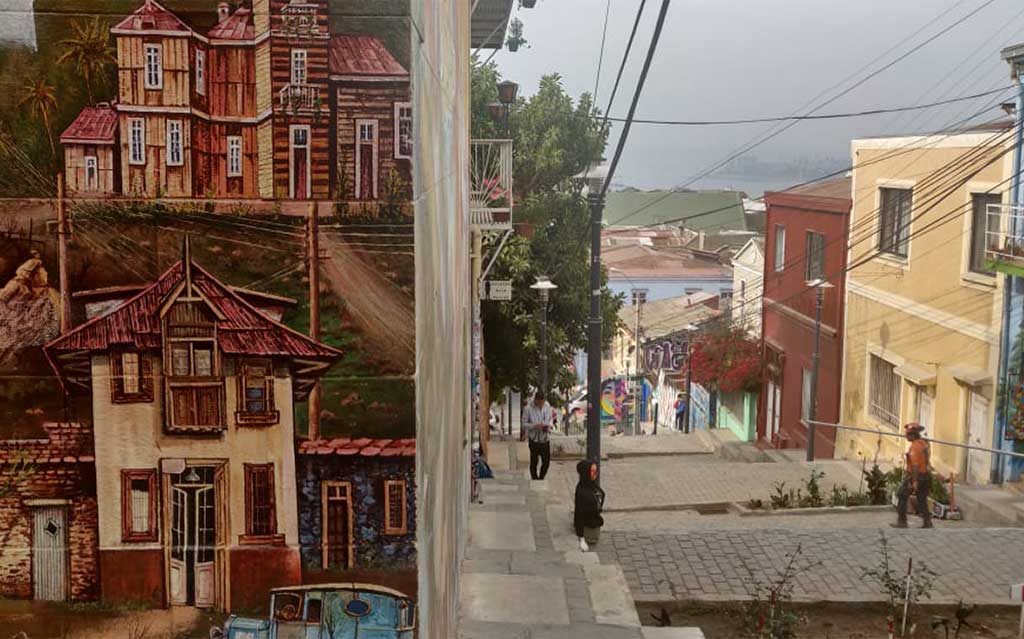
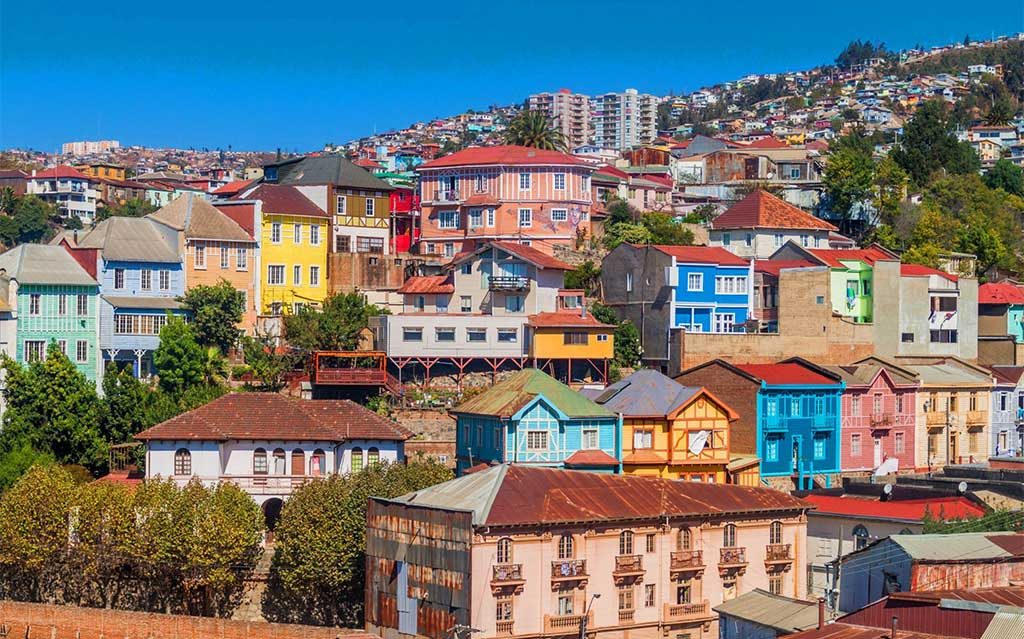
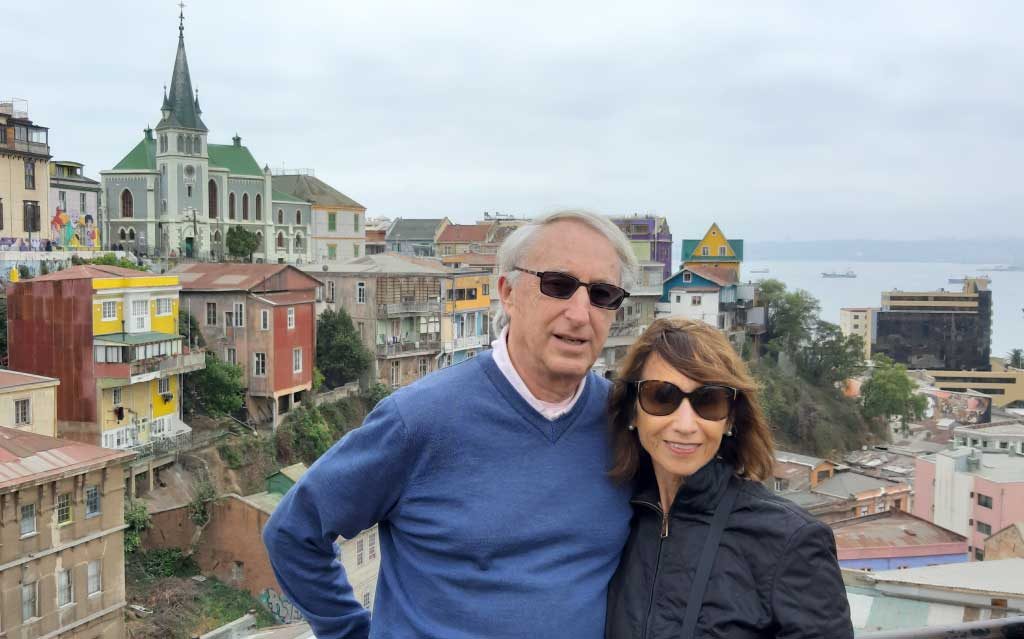
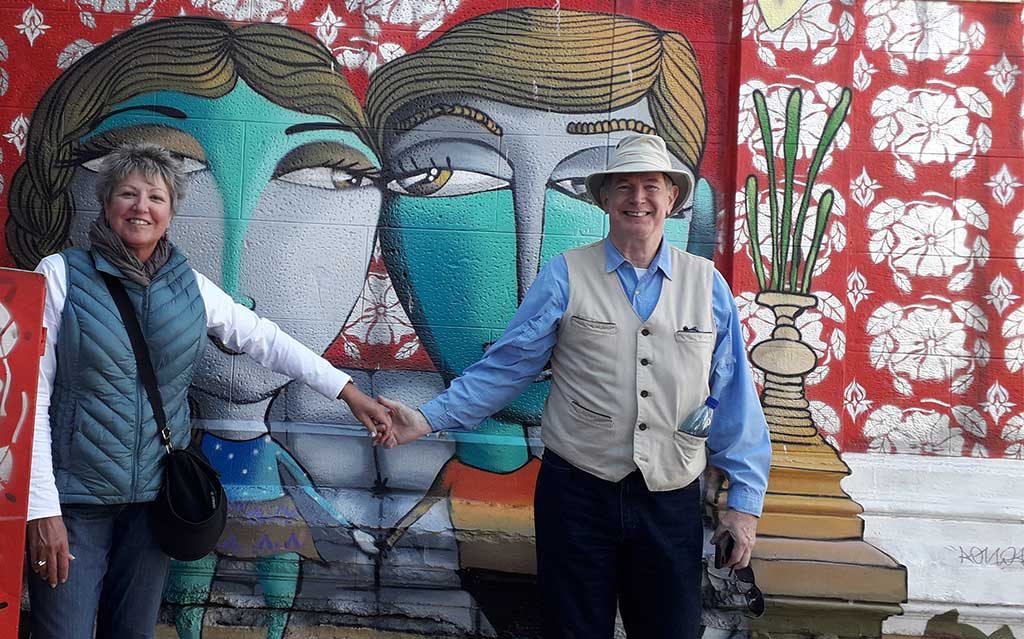
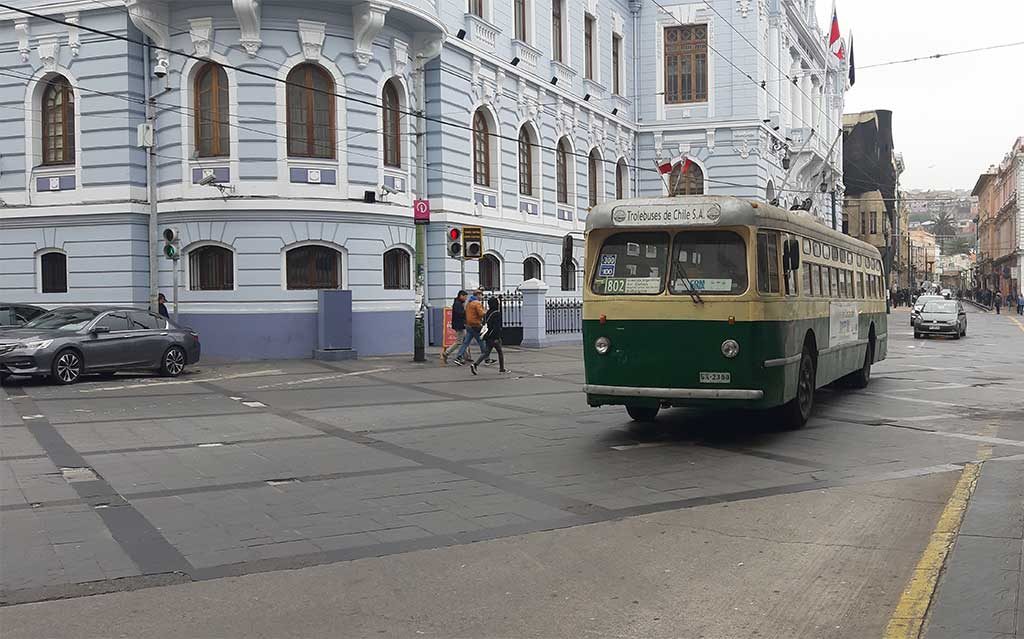
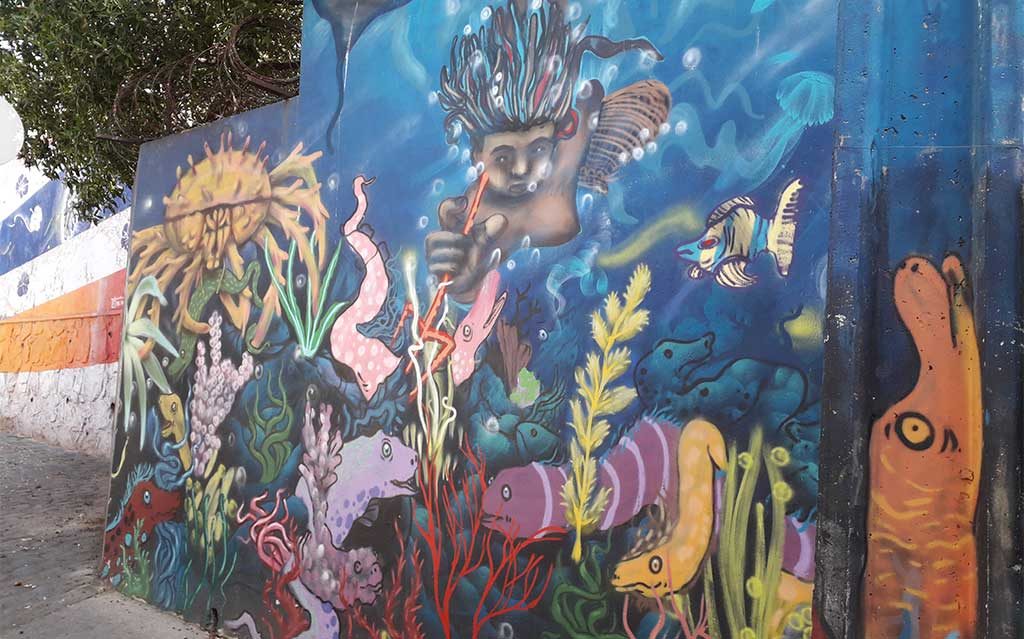
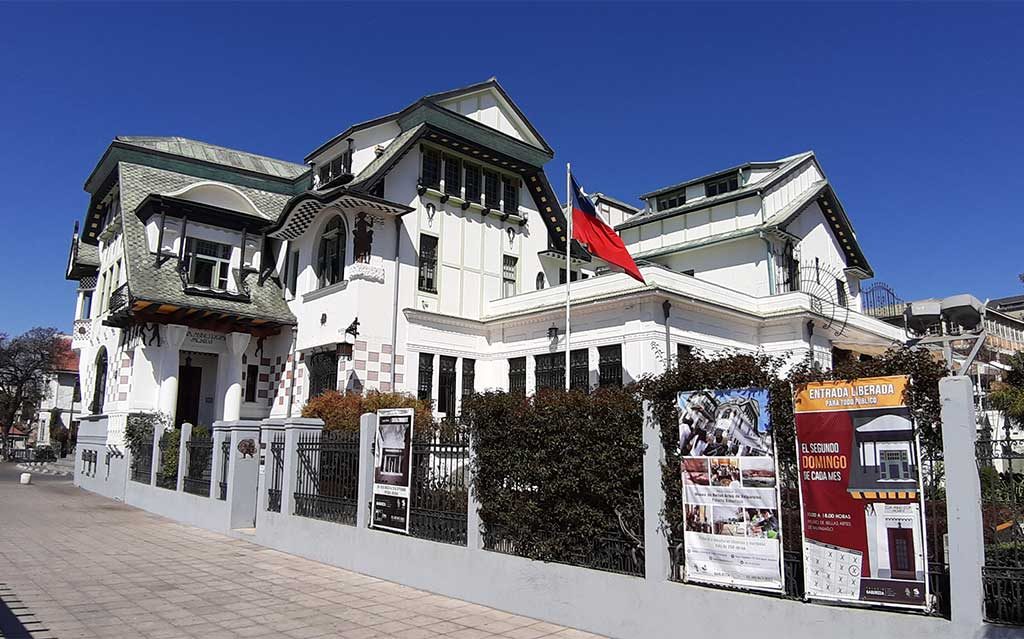
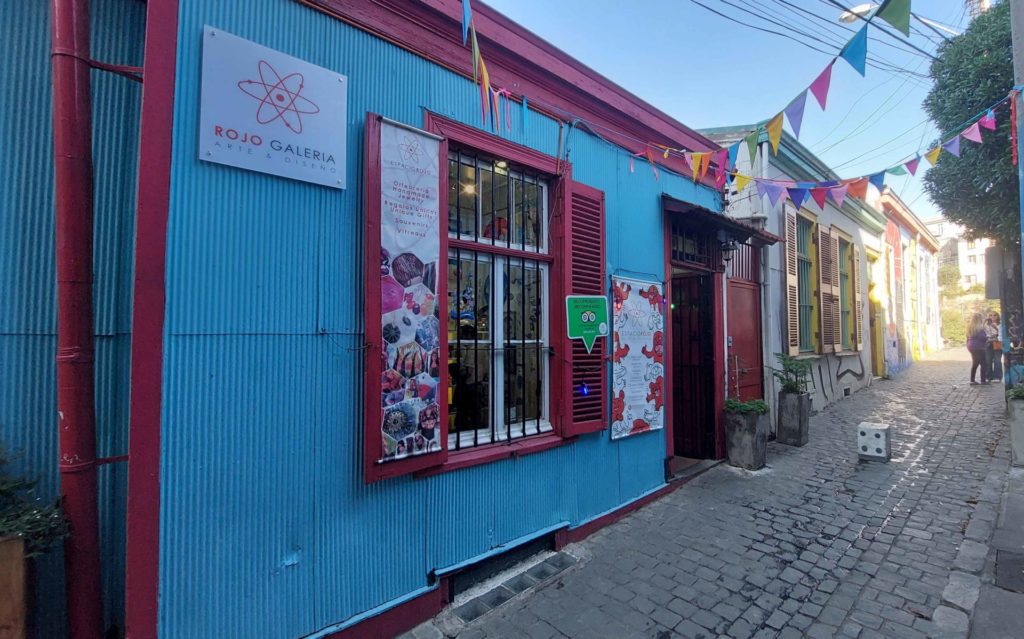
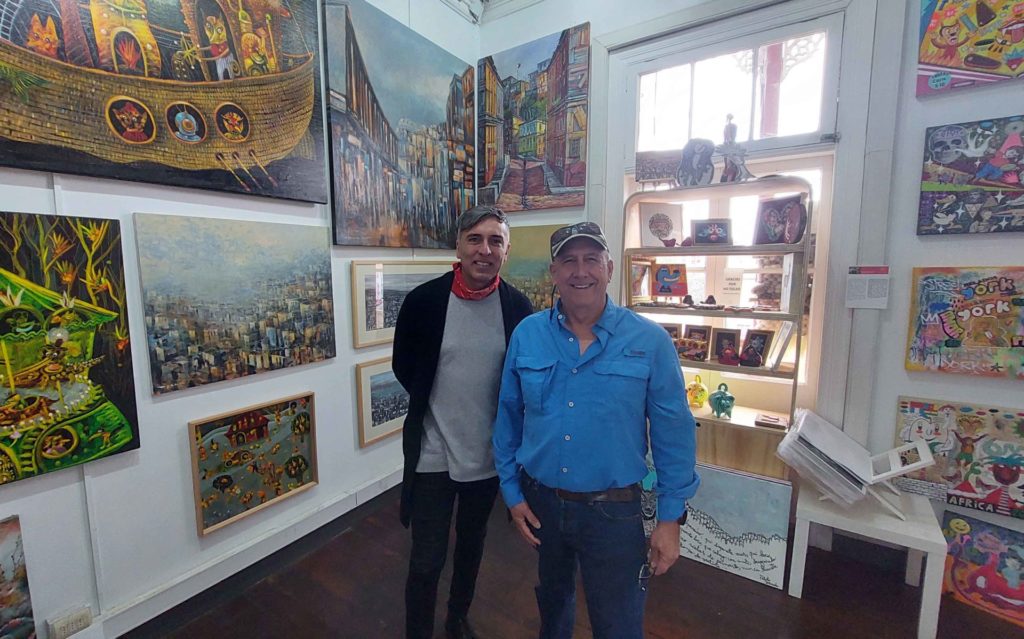
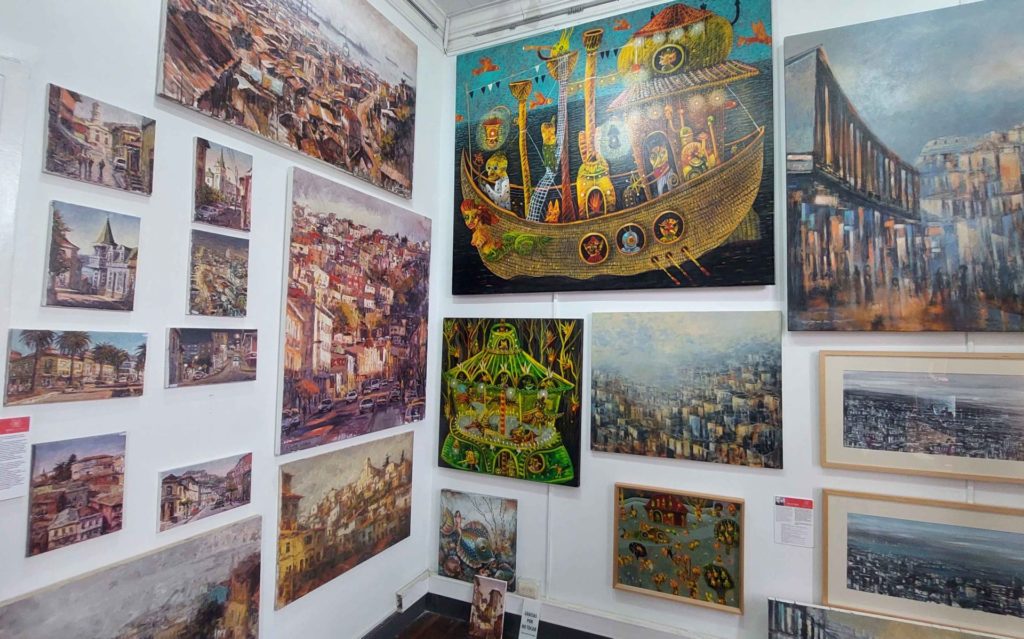
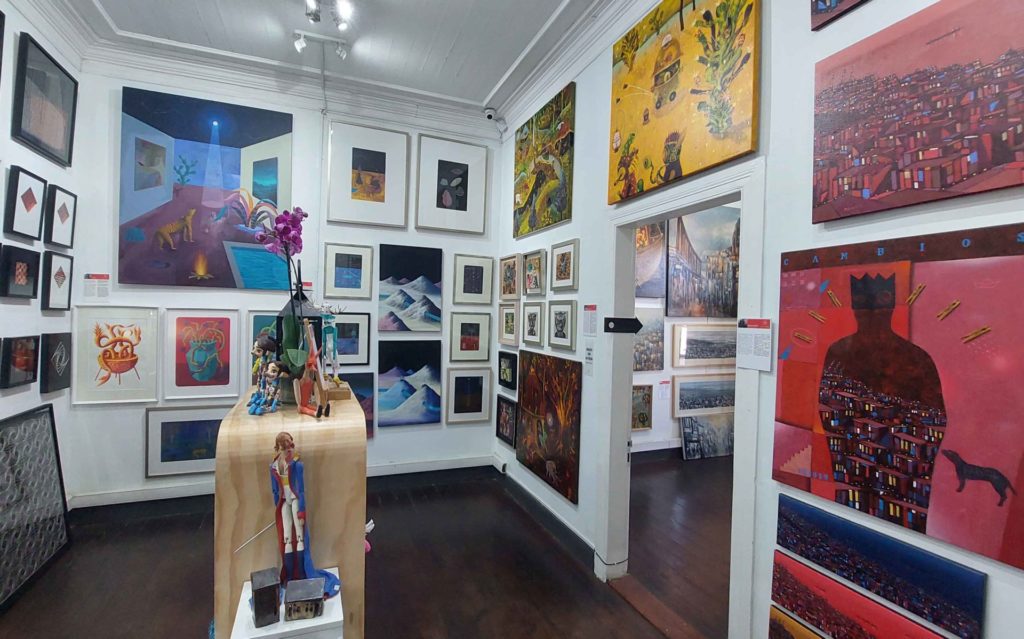
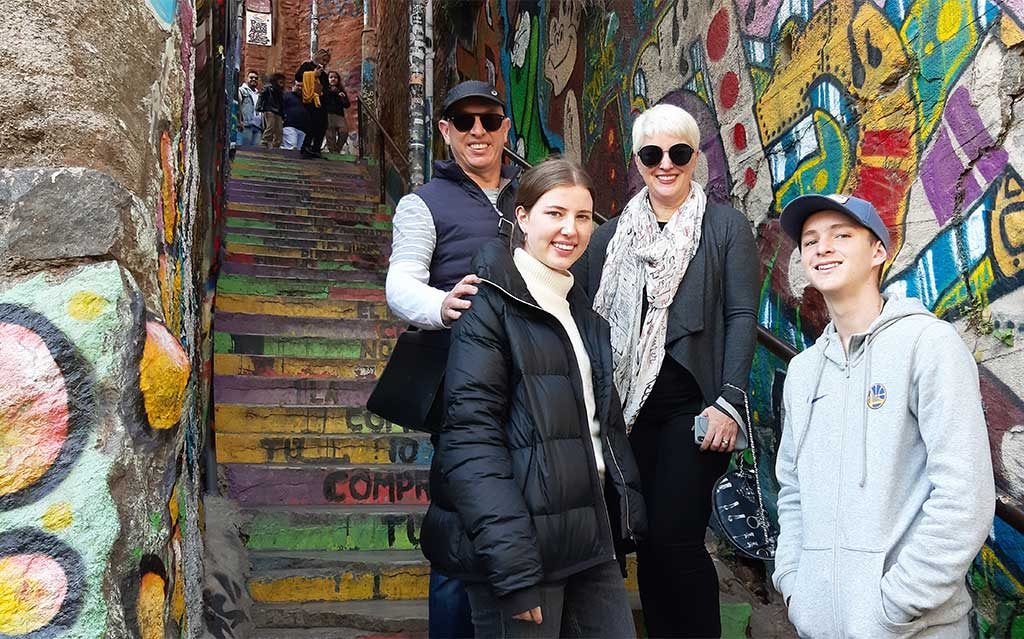
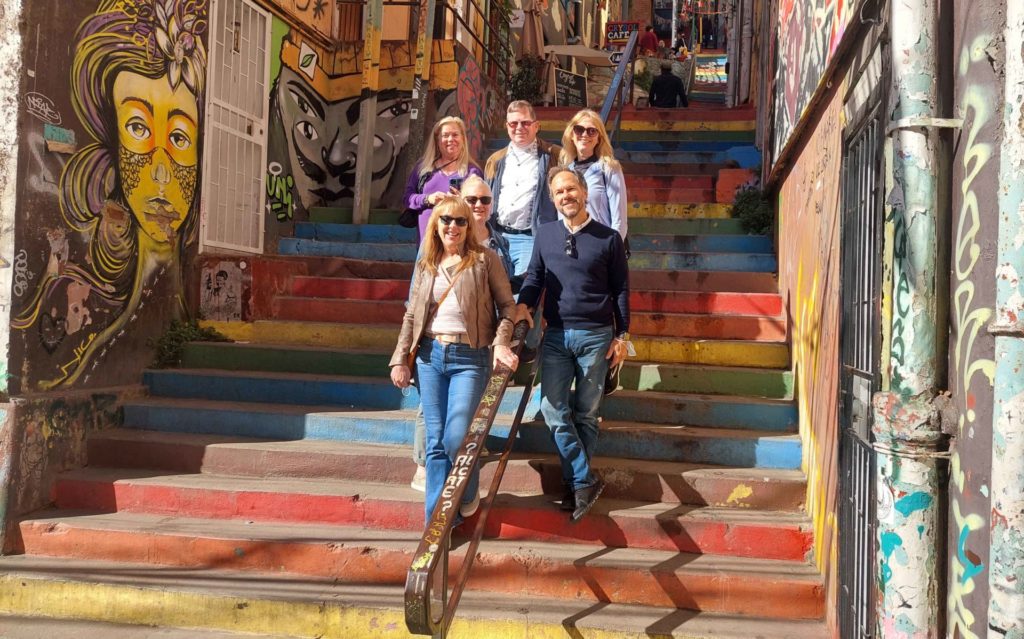
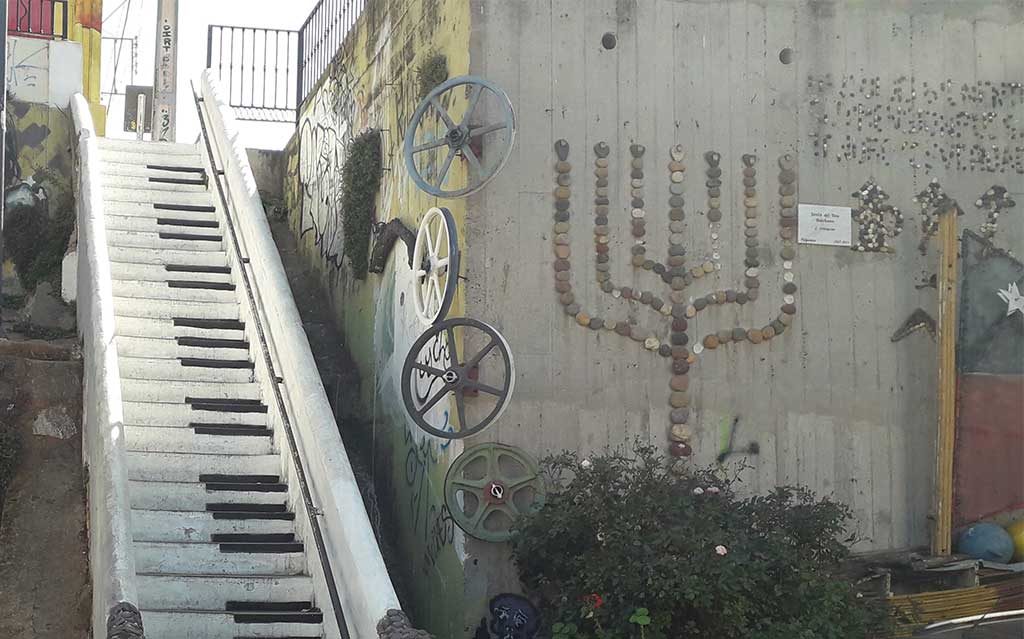
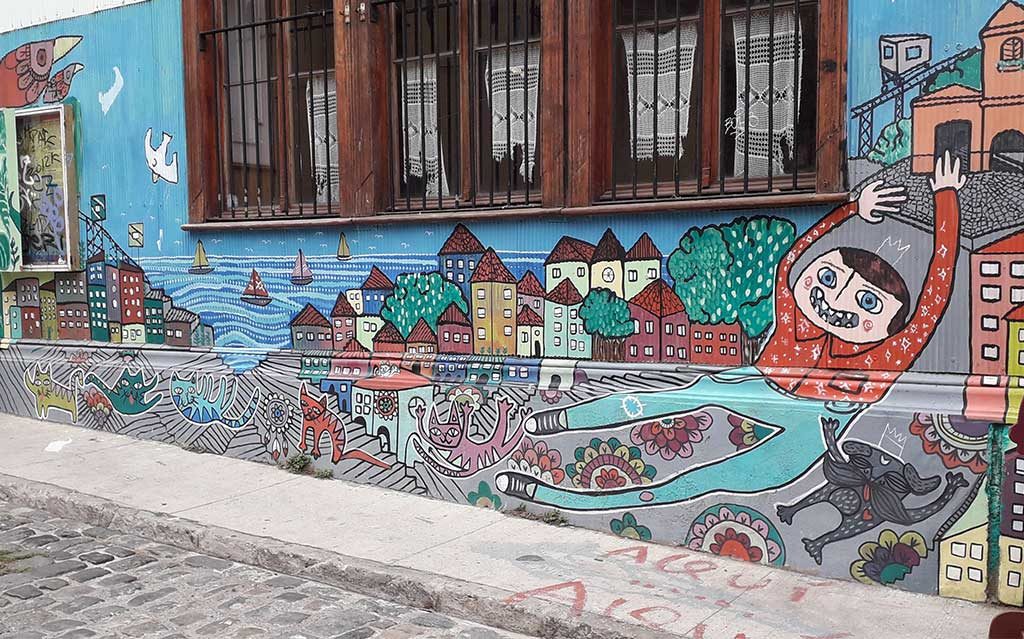
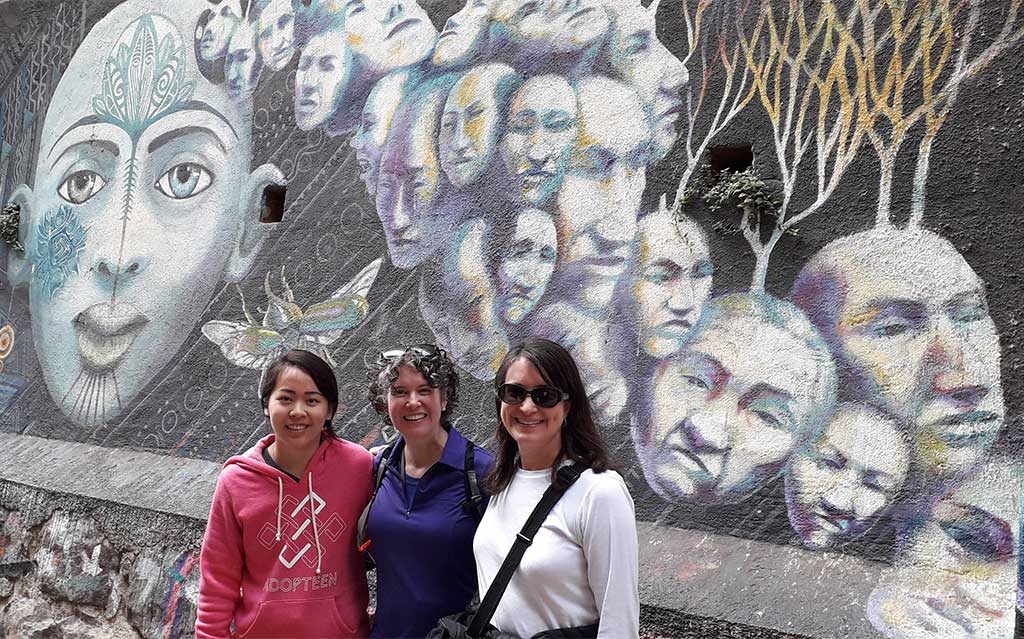
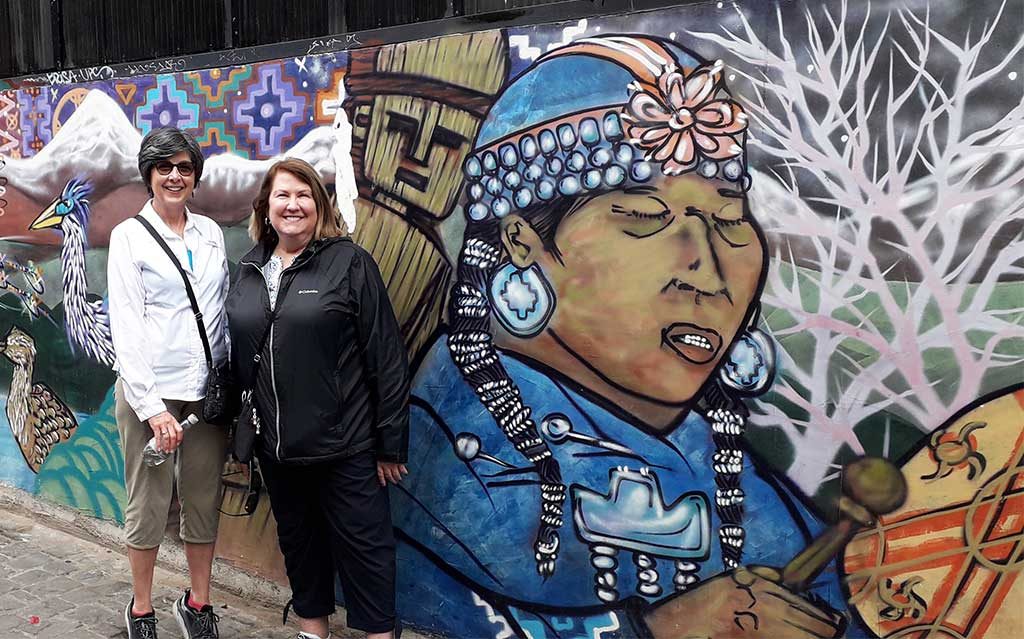
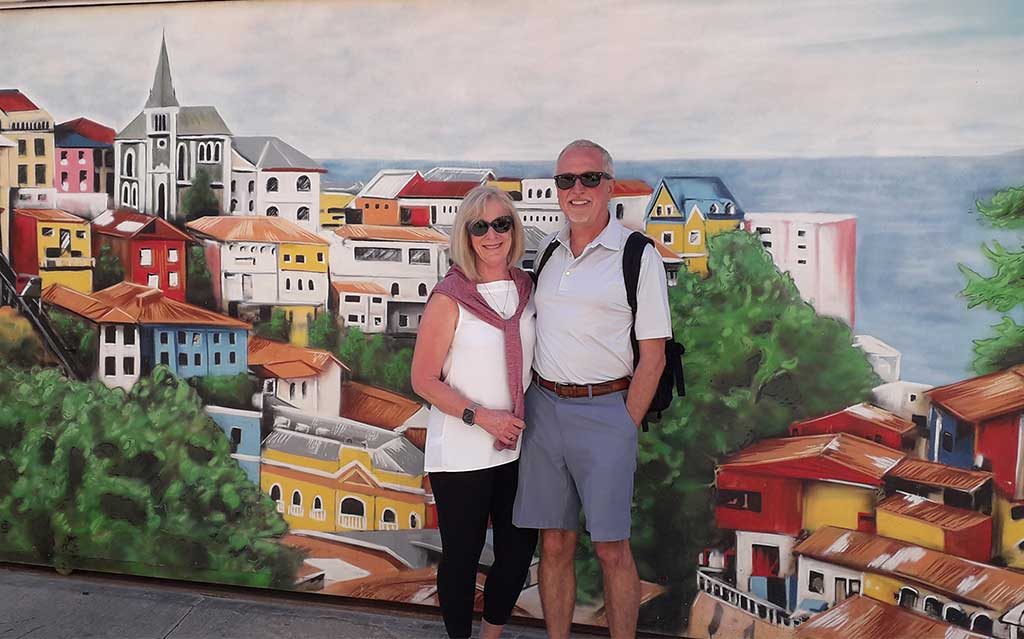
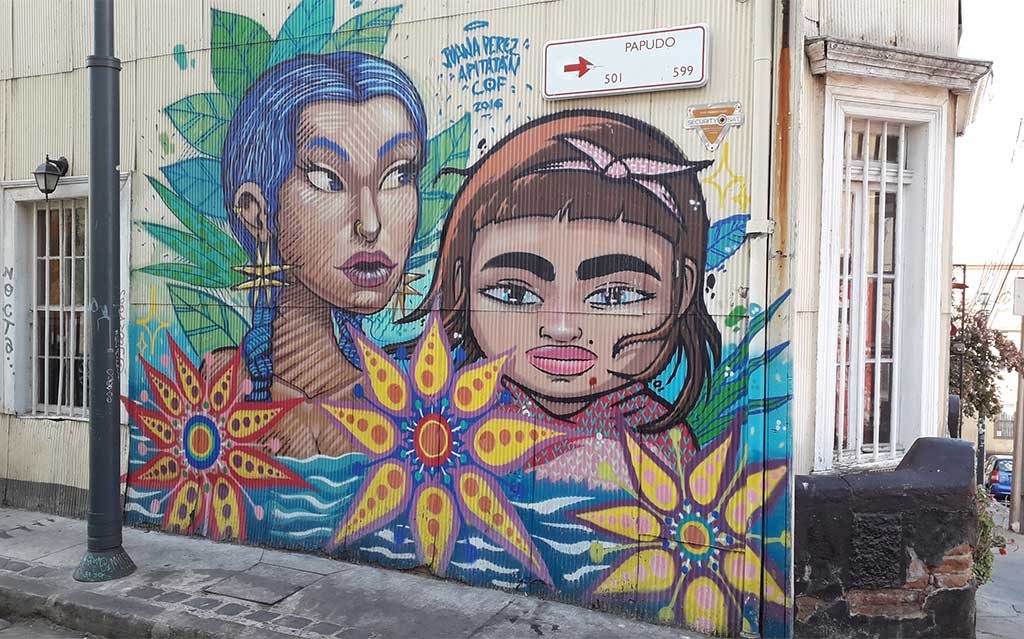
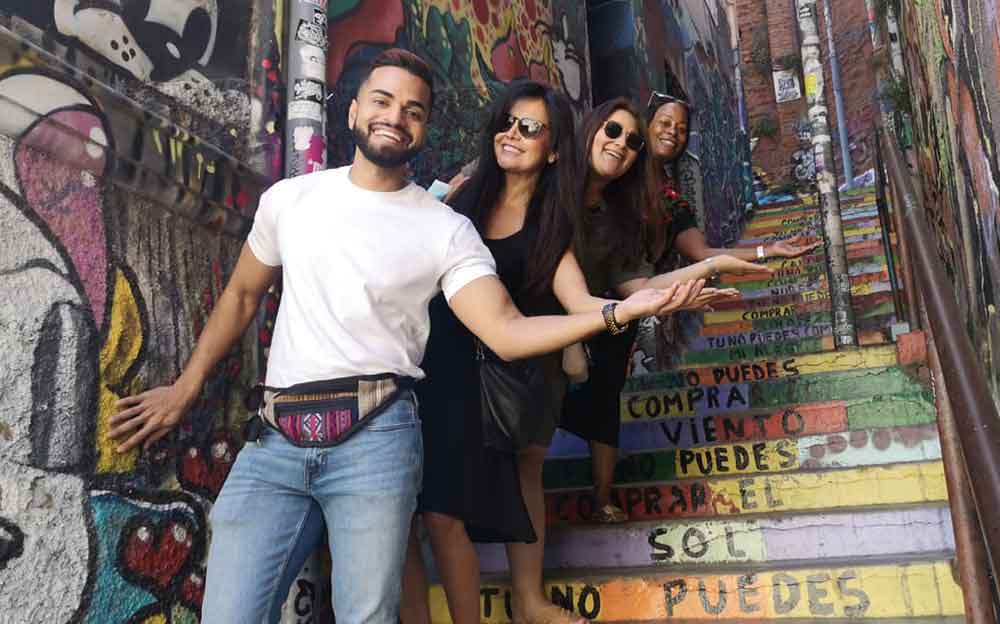
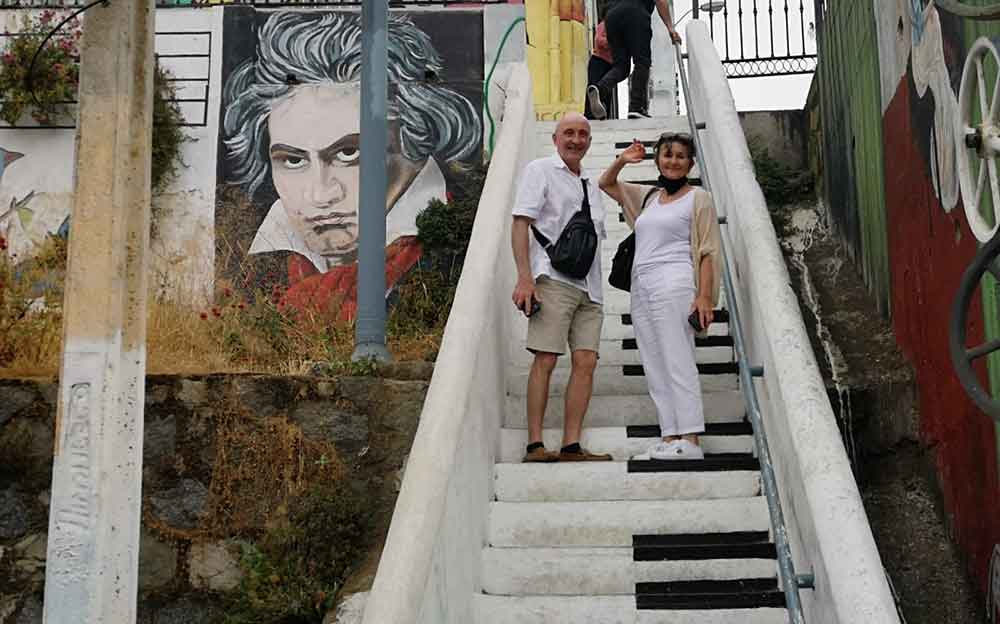
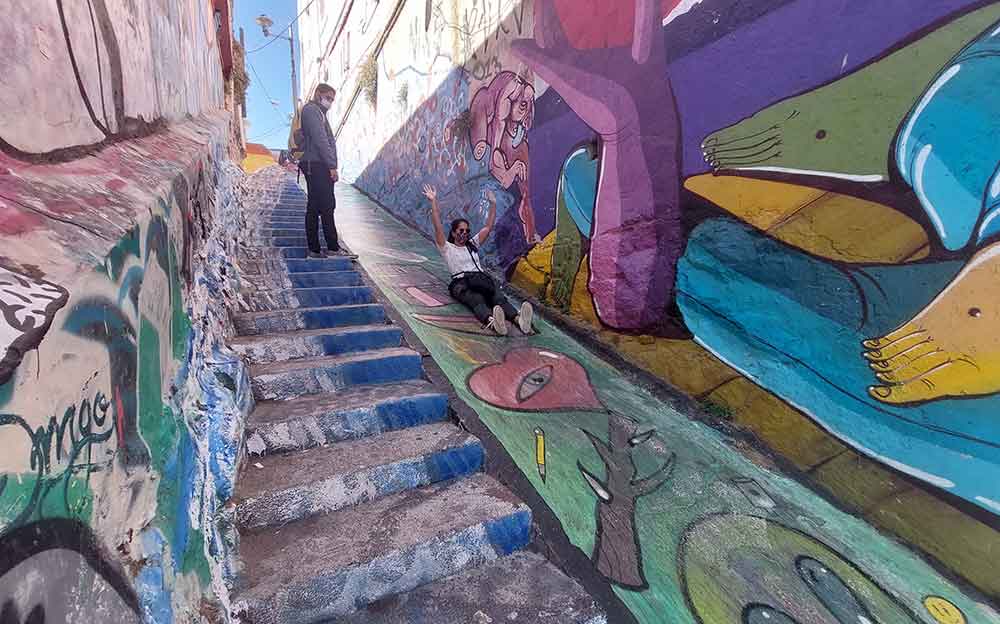
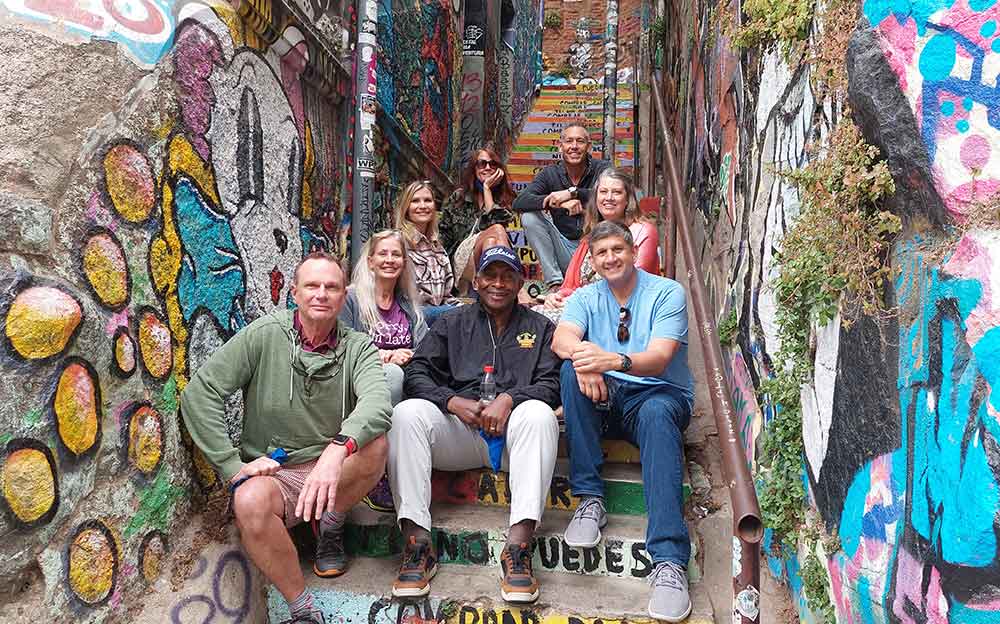
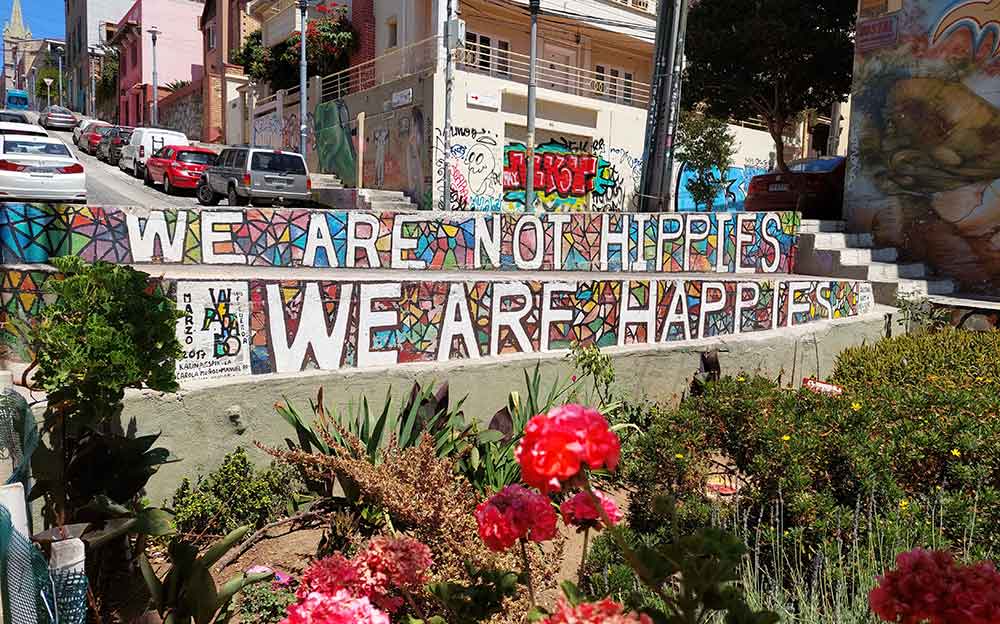
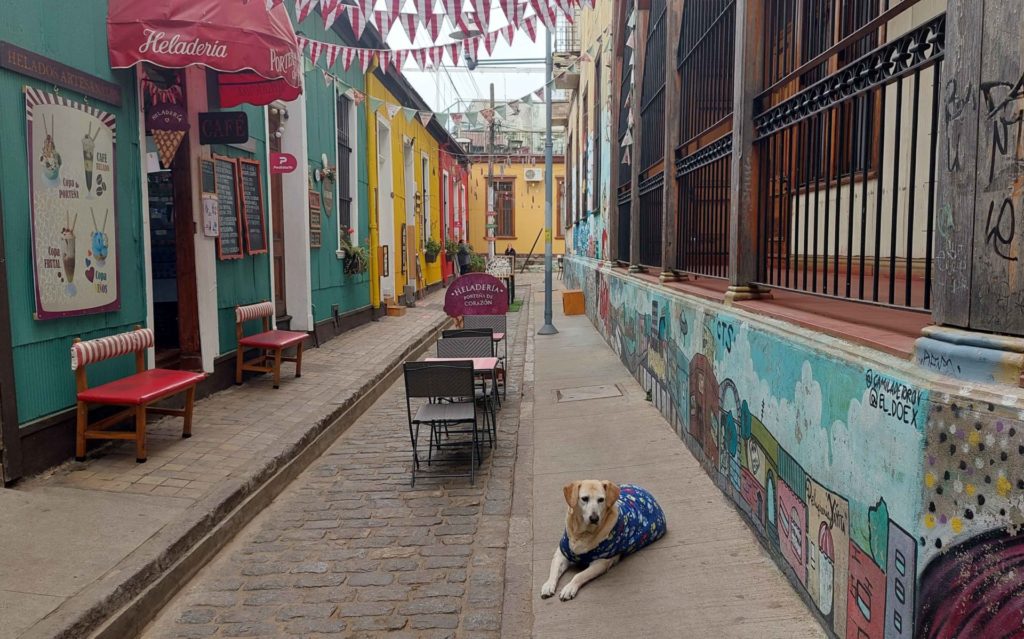
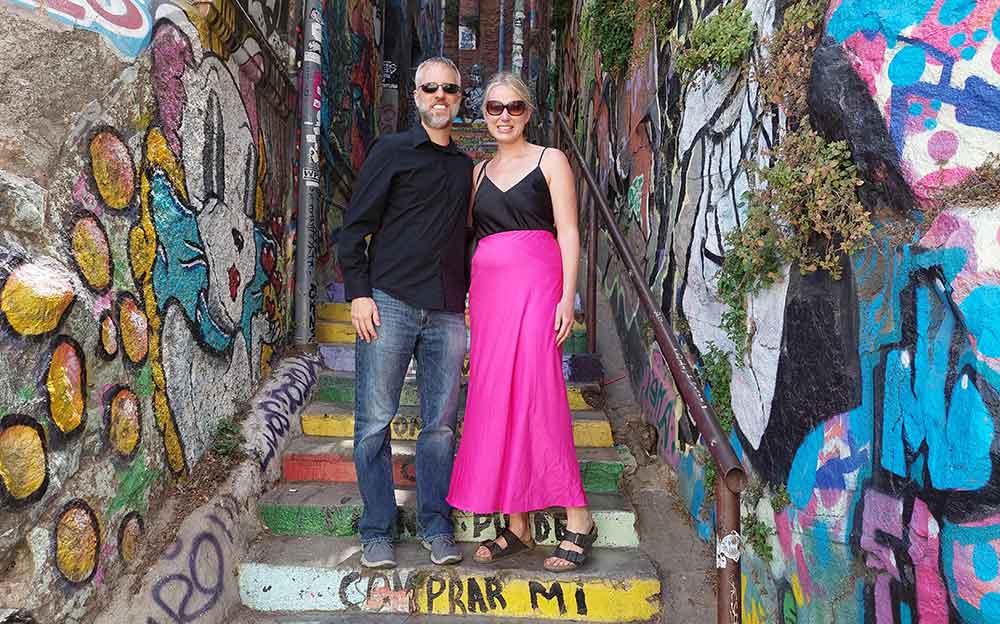
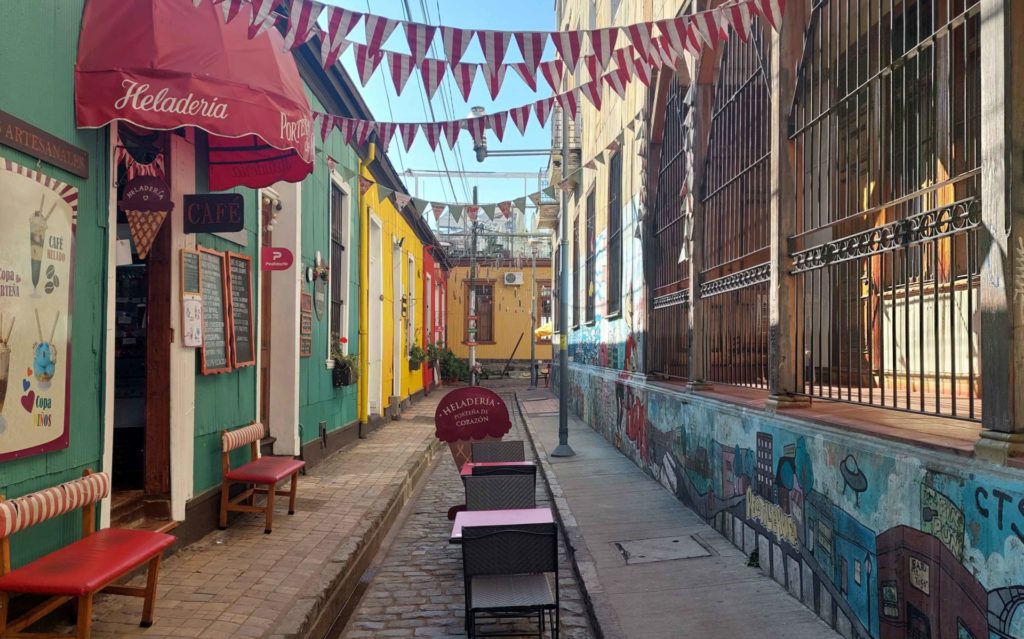
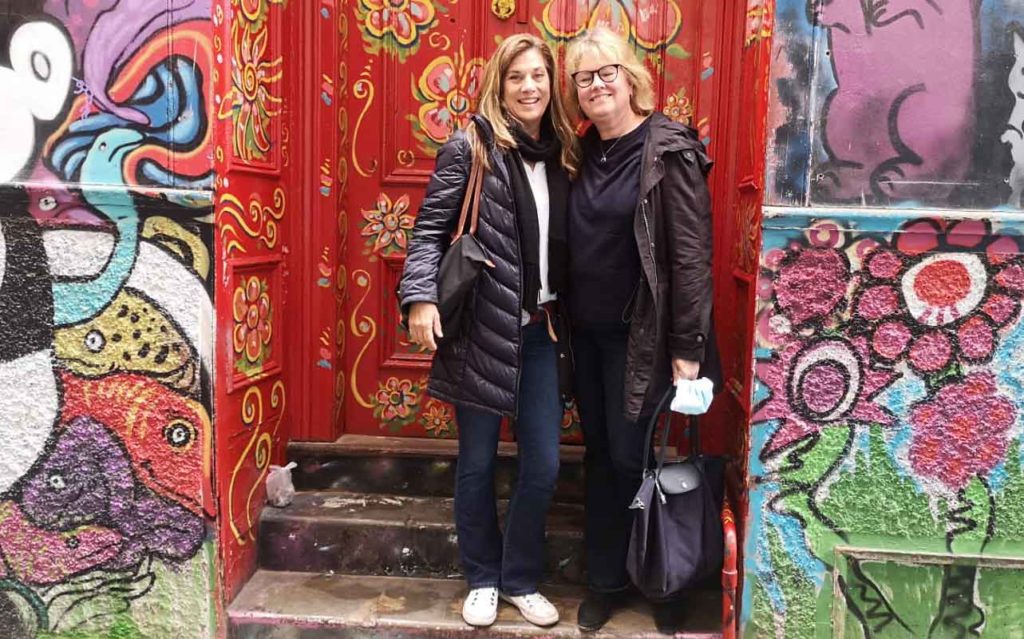
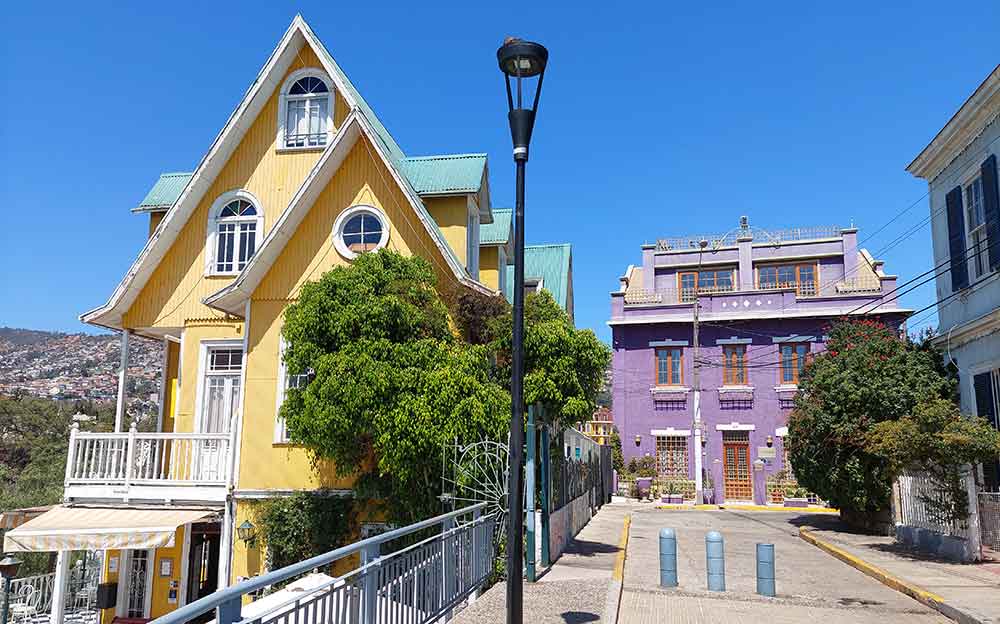
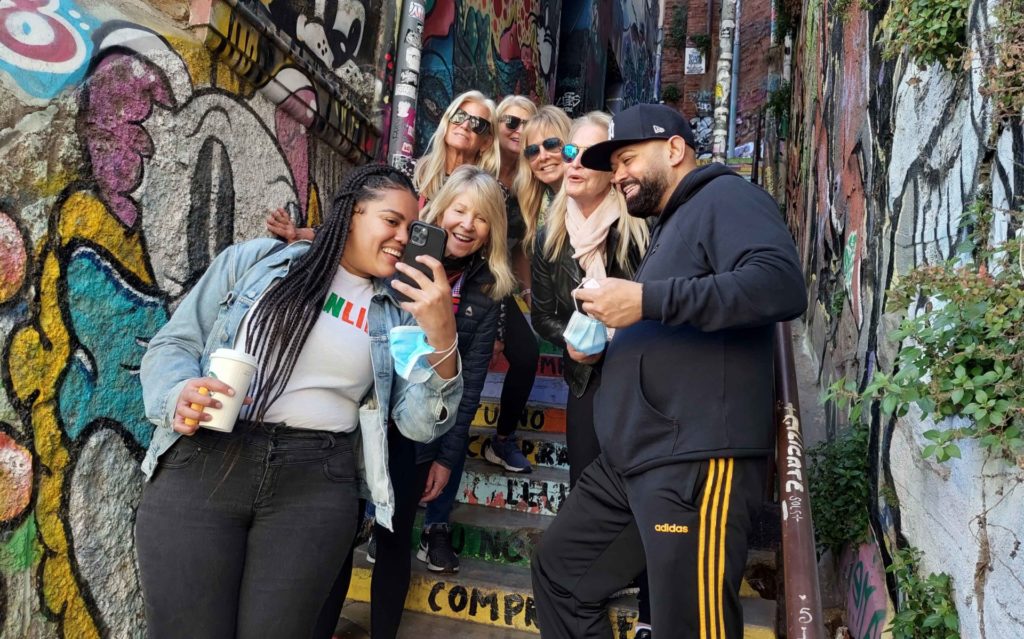
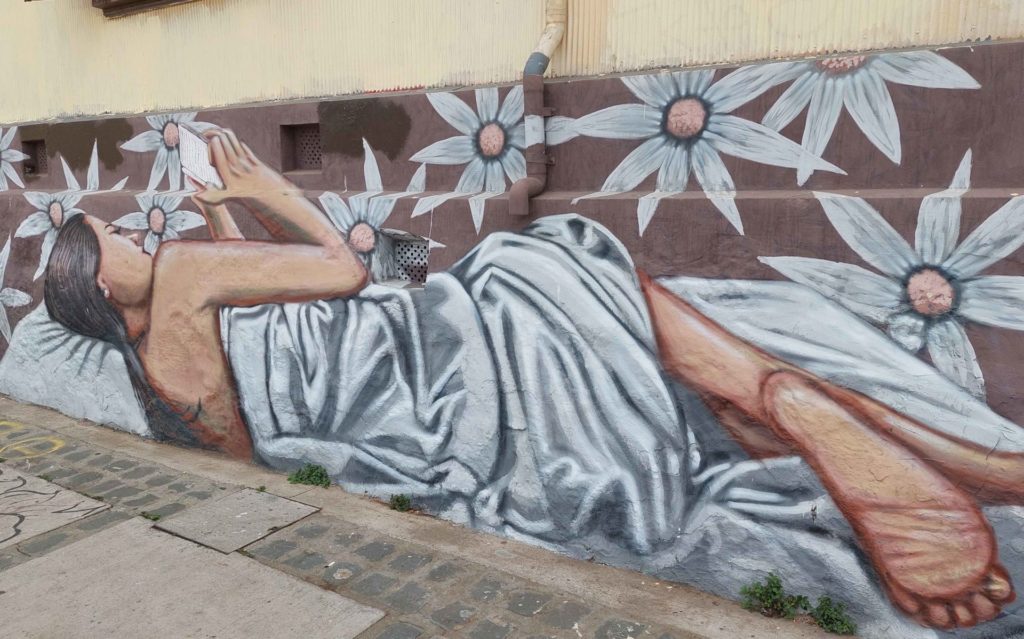
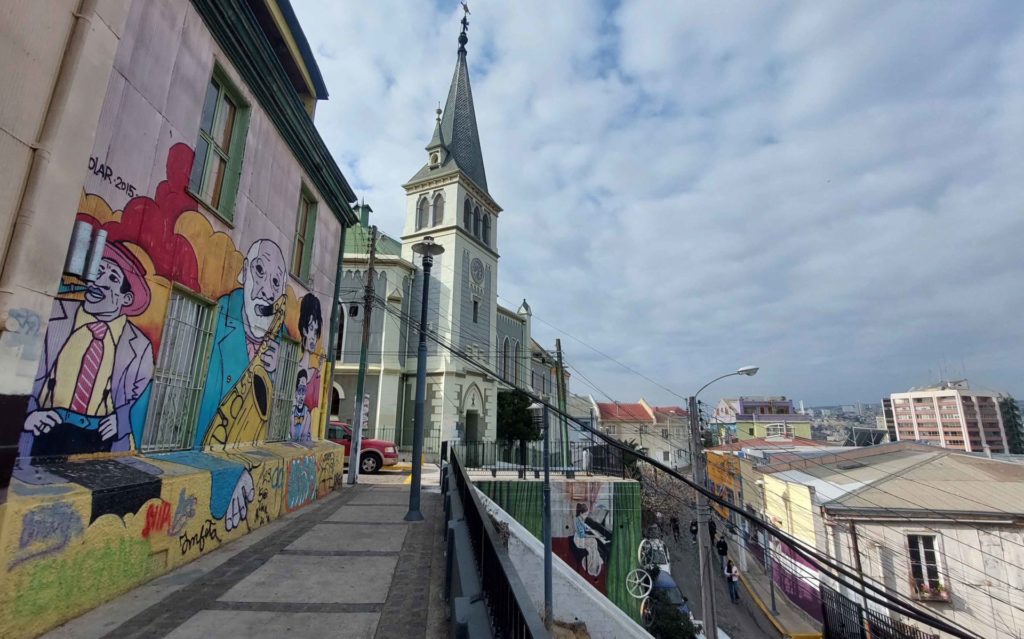
Afterwards, we reach our main destination: Valparaiso. Considered by many as the cultural capital of Chile, Valparaiso today is world famous for its street art. Overlooking the vast Pacific Ocean, spread over a cluster of hills, this city is filled with bright buildings in unconventional colors and murals painted on the walls.
Valparaiso played an important role during the 19th Century when it served as a major stopover for ships traveling between the Atlantic and Pacific Oceans via the Strait of Magellan before the completion of the Panama Canal. The area experienced rapid growth during its golden age as a magnet for European immigrants during the nitrate boom in the late 1800s, when the city became known by international sailors as “Little San Francisco” and the “Jewel of the Pacific”. Notable developments during this bustling period include Latin America’s oldest stock exchange, the continent’s first volunteer fire department, Chile’s first public library, and the oldest Spanish-language newspaper in continuous publication in the world, El Mercurio de Valparaíso.
The 20th Century was unfavorable to Valparaiso, however, as the opening of the Panama Canal in 1914, and the associated reduction in ship traffic, dealt a serious blow to the region’s economy.
Chilean Nobel Poet Laureate Pablo Neruda, who was Chile’s Chilean Consul General in Mexico City in the 1940s, an era in which muralism was flourishing in Mexico, took inspiration from this art movement and believed that Valparaiso could use some colorful art to rewrite its fate. He invited Mexican artists to Valparaiso in 1943 and an entire movement of street art began turning Valparaiso into one of the most colorful cities in the world.
The street art movement was intensified during the country’s military government under General August Pinochet from 1973 to 1990, when painters used street art to express opposition to the regime. The narrow and concealed streets made it easier for them to do their art and escape unseen!
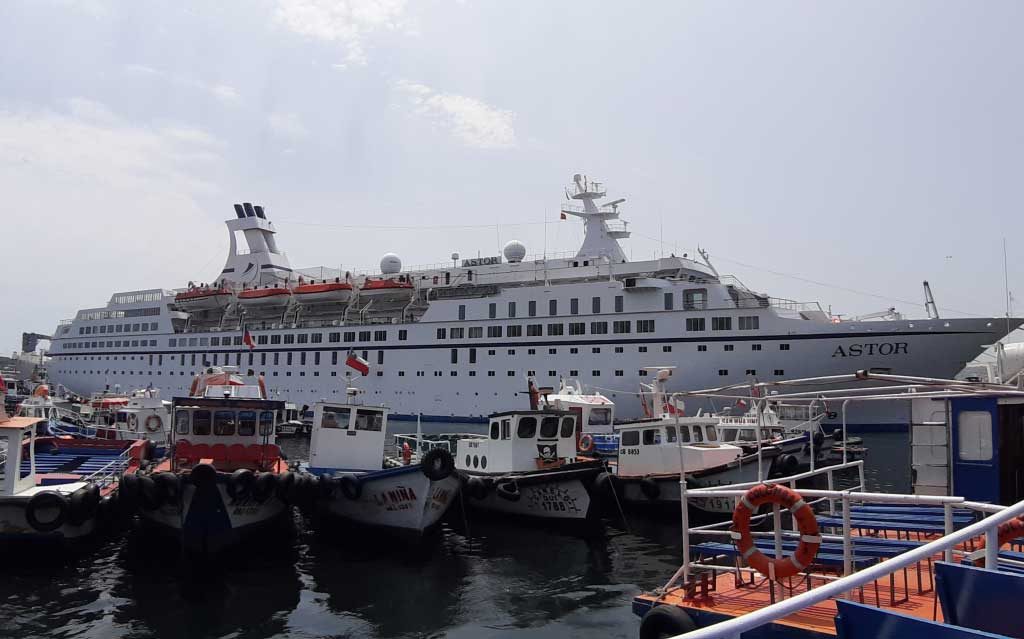
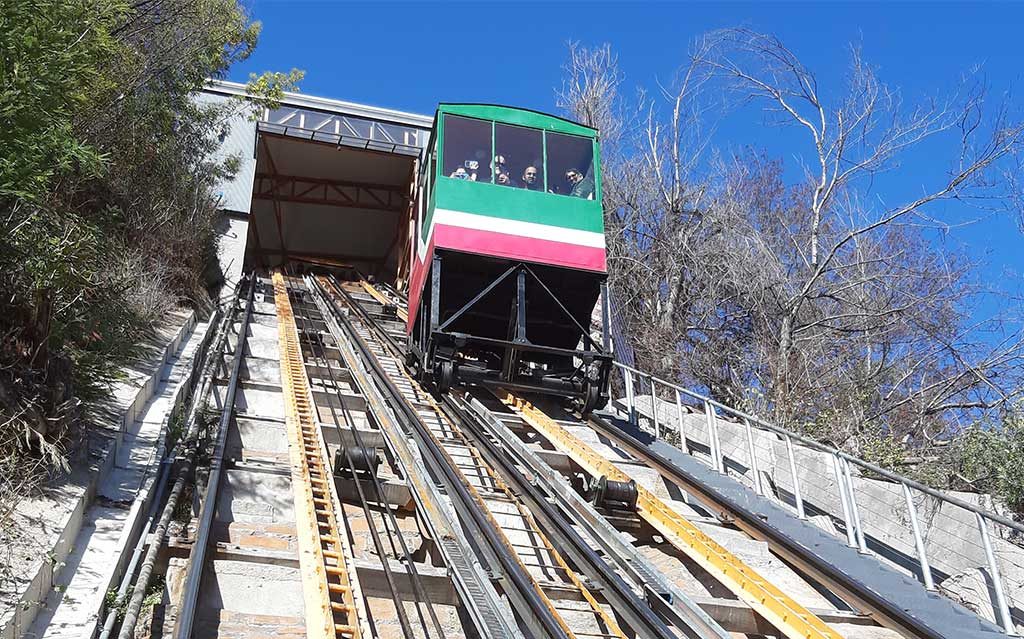
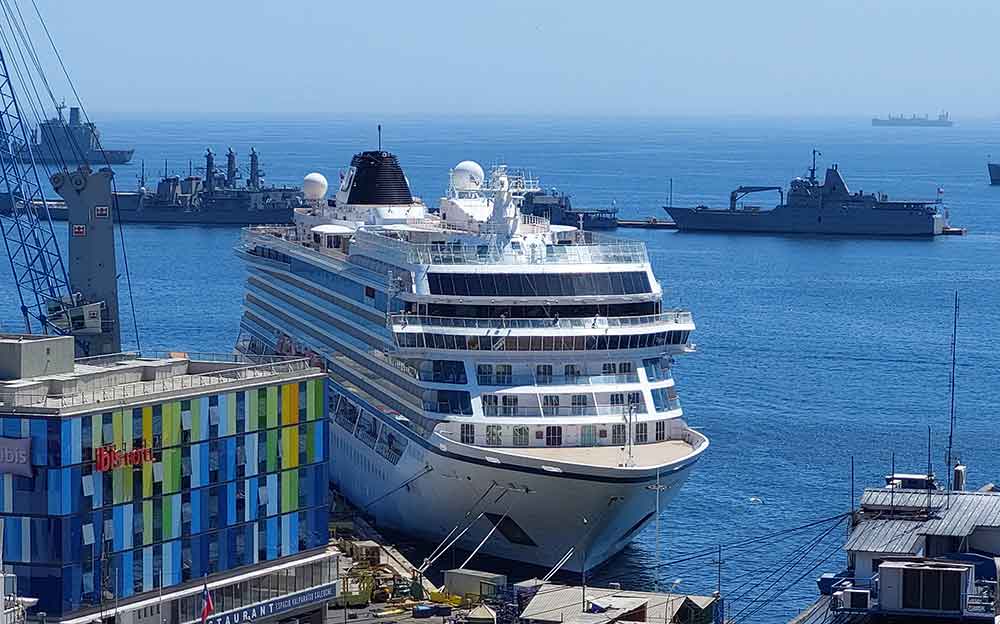
Since the 1990s, the city has experienced a recovery, attracting artists, tourists, and cultural entrepreneurs from around the world to enjoy the city’s labyrinth of cobbled alleys and colorful buildings. Valparaiso still continues to be a major distribution center for container traffic, copper, and fruit exports. It also receives growing attention from cruise ships that visit during the South American summer. Most significantly, Valparaiso was declared a UNESCO World Heritage site in 2003, based on its improvised urban design, unique architecture, and preservation of historical landmarks, including 16 elevator lifts dating back to the late 1800s and early 1900s. of which approximately 6 are still in operation today.
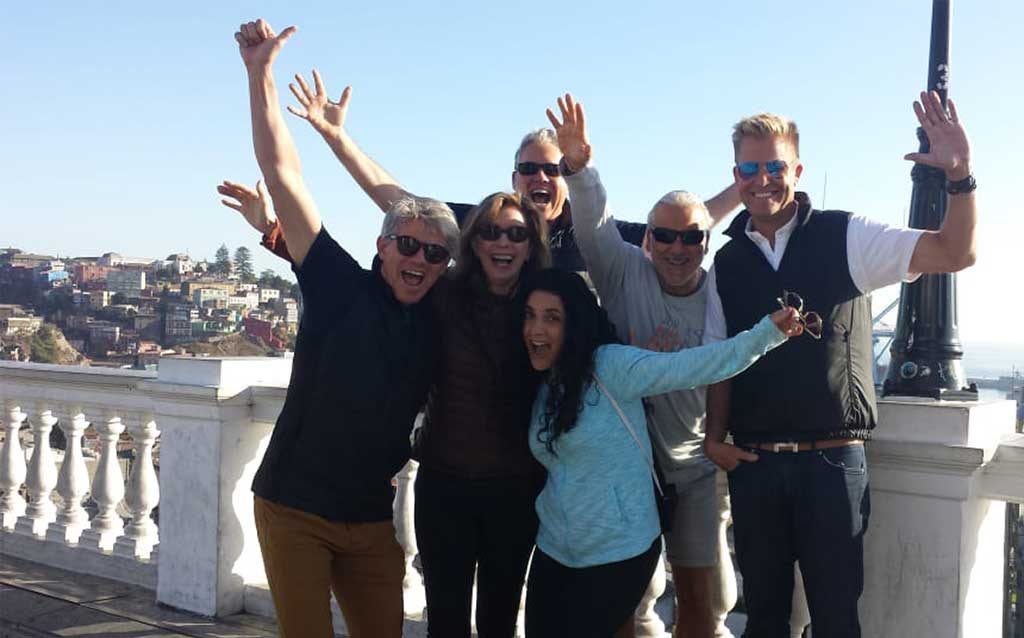
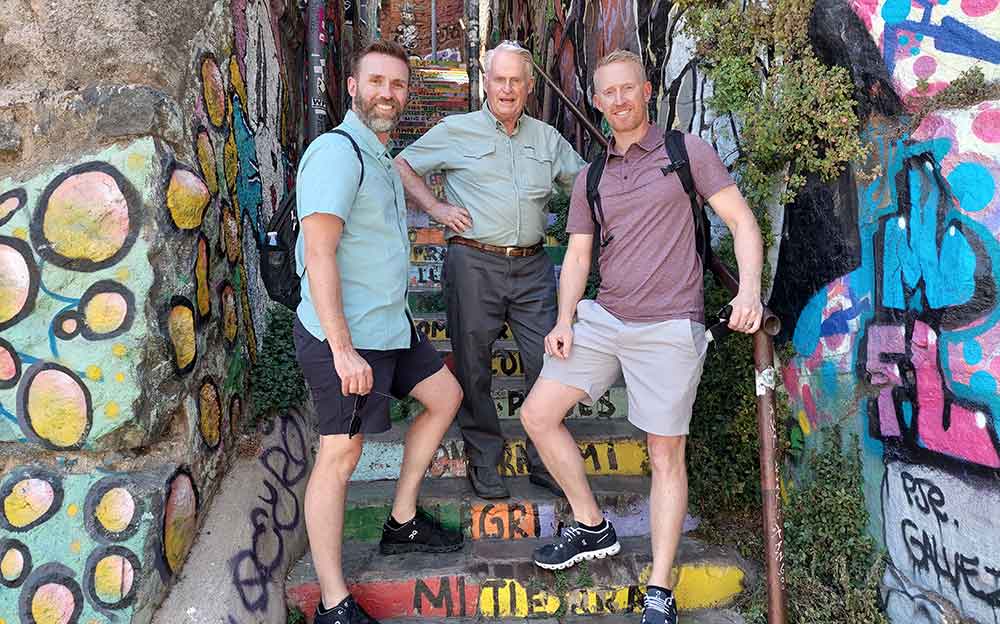
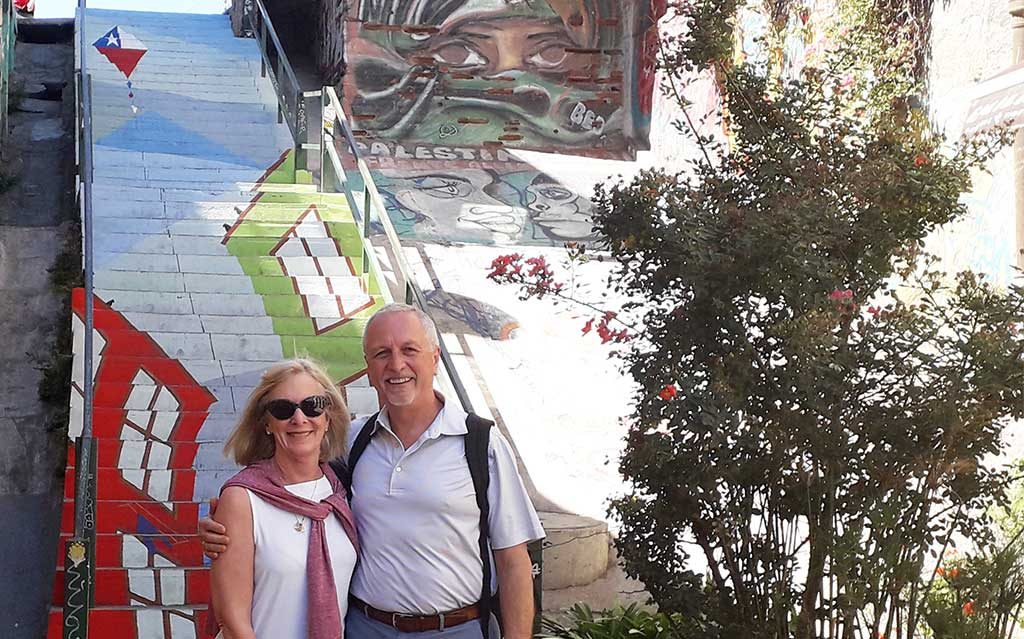
Bohemian and colorful, Valparaiso’s maze of hills has long inspired poets and writers. You will discover something new at every turn. Revel in the architecture of this UNESCO World Heritage Site. Stroll along its narrow streets, climb its endless staircases, and enjoy panoramic views from its many lofty lookout points.
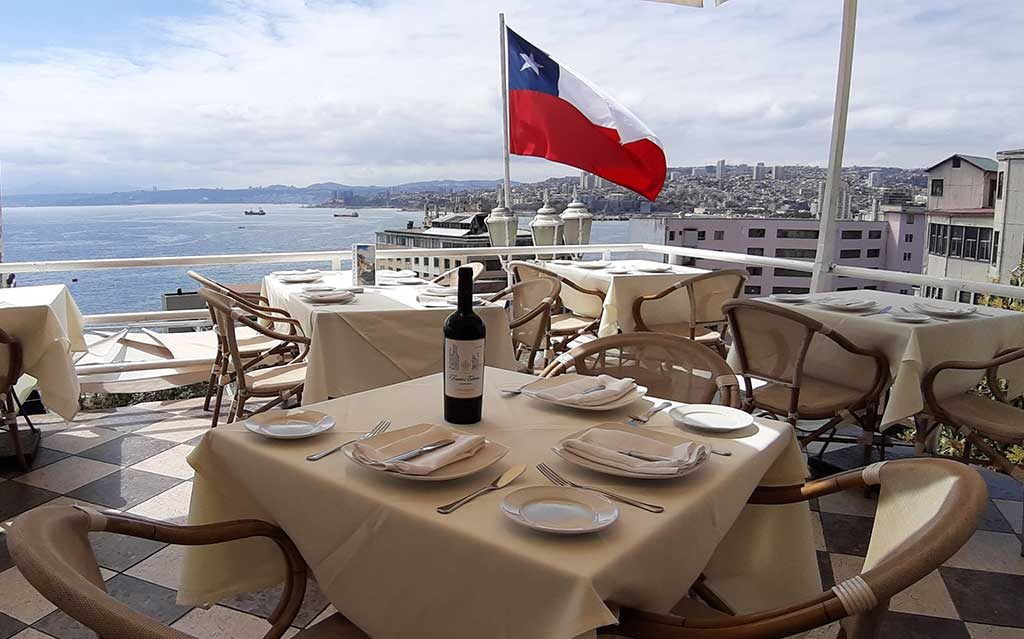
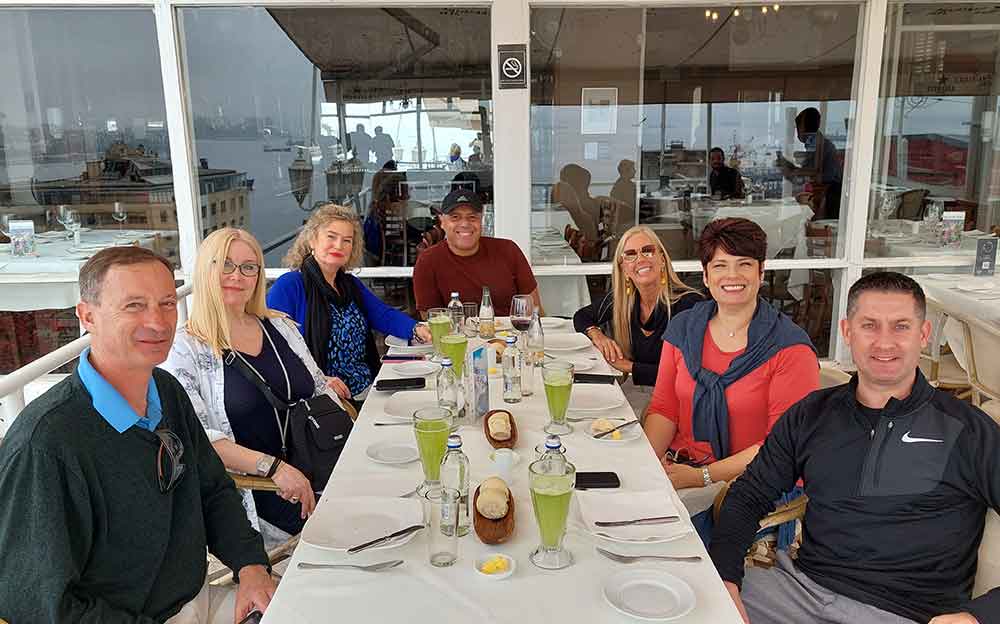
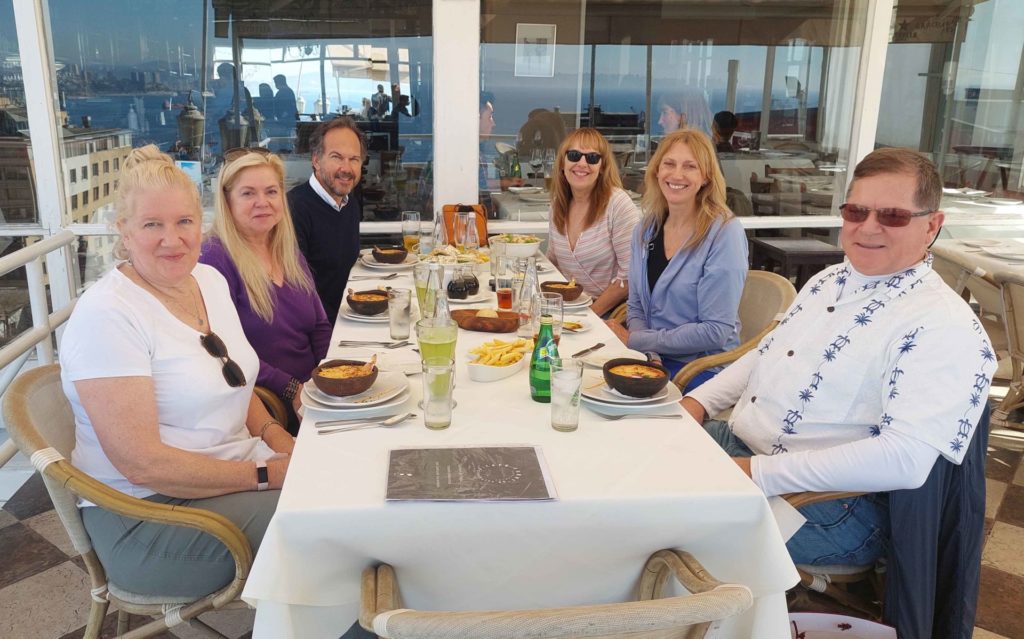
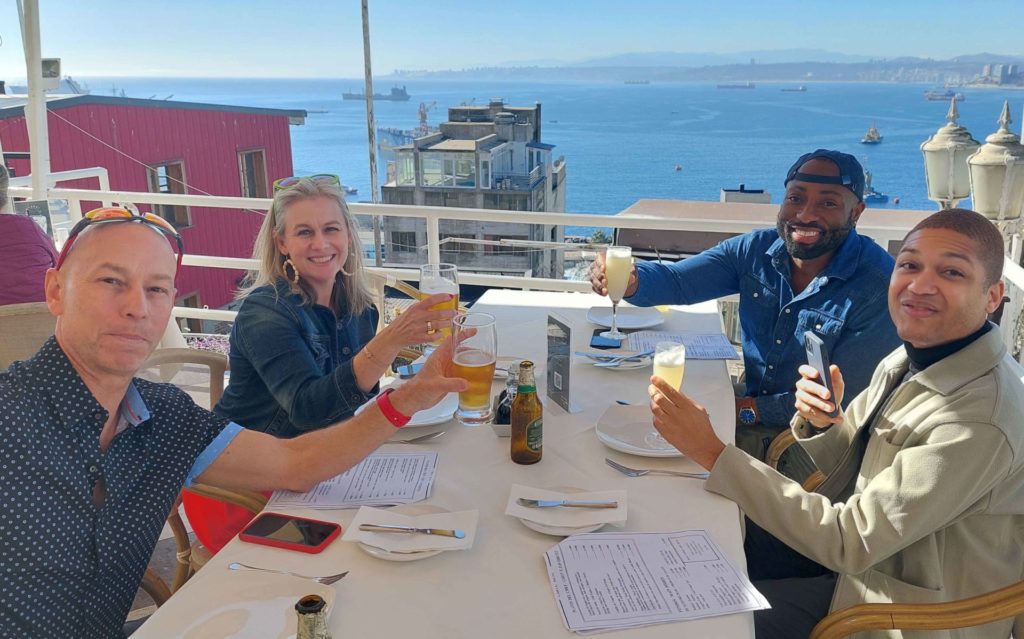
After exploring Valparaiso, there will be time for lunch at the historic Cafe Turri overlooking Valparaiso Harbor. Click here for the restaurant’s menu.
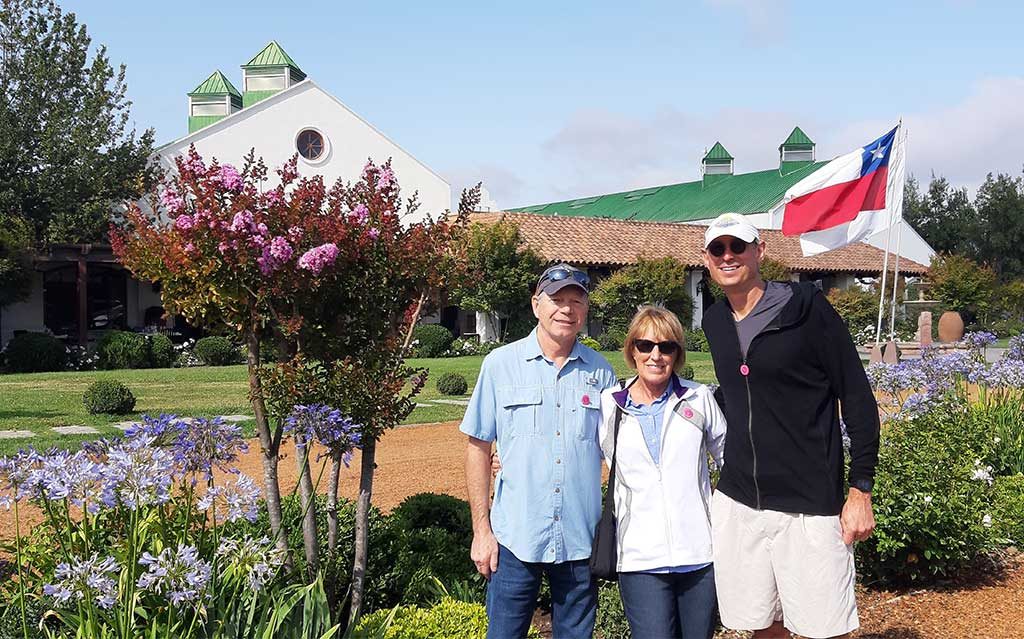
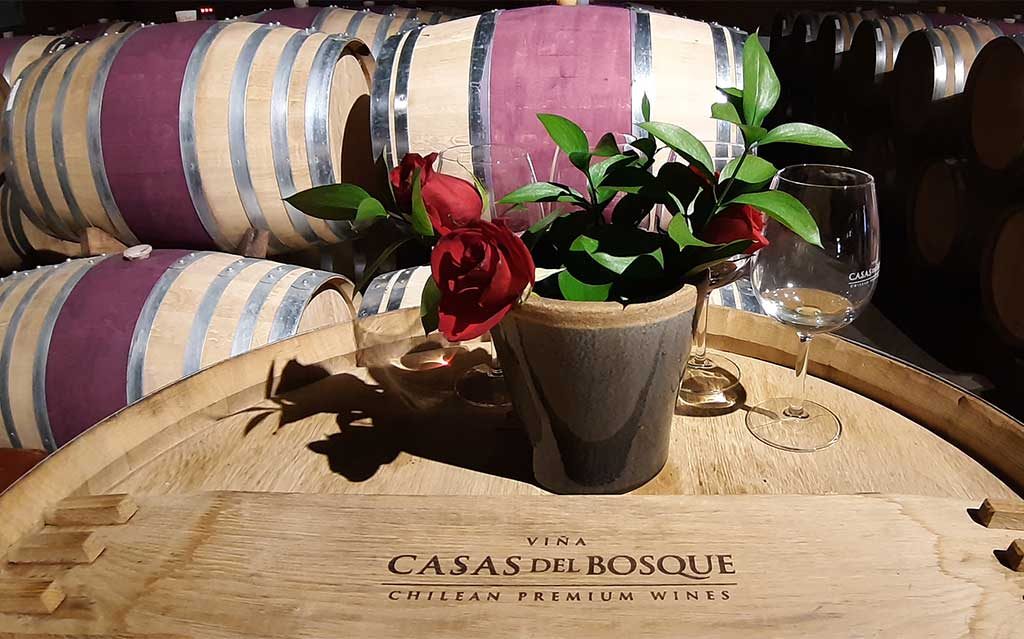
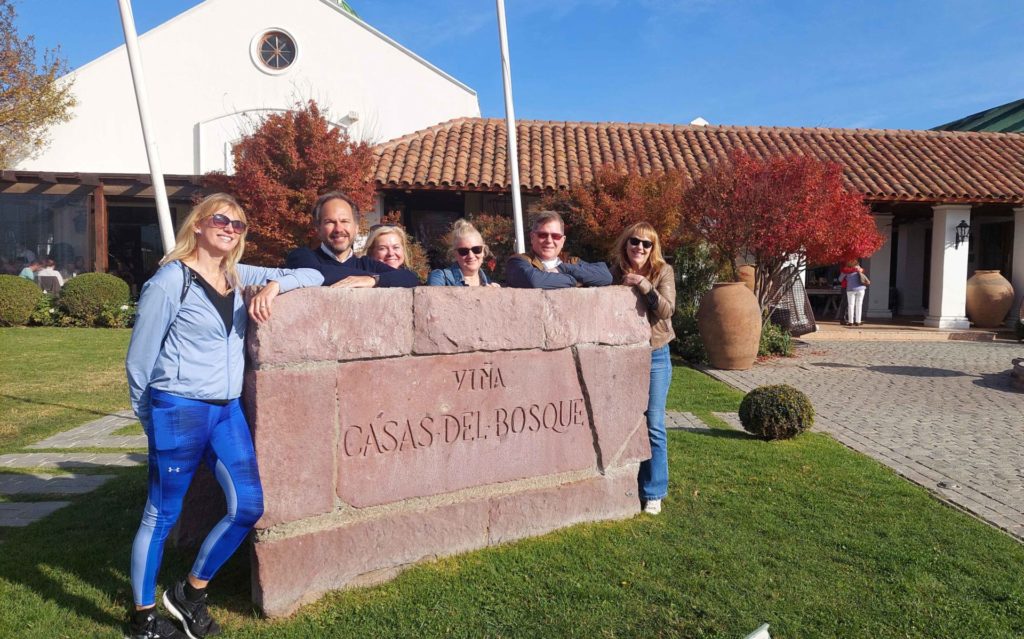
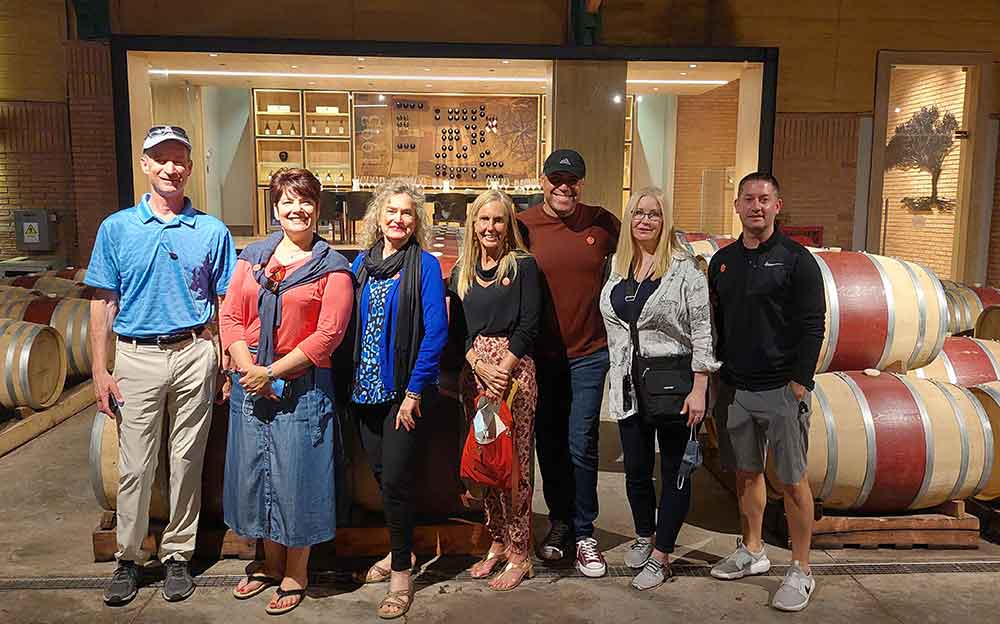
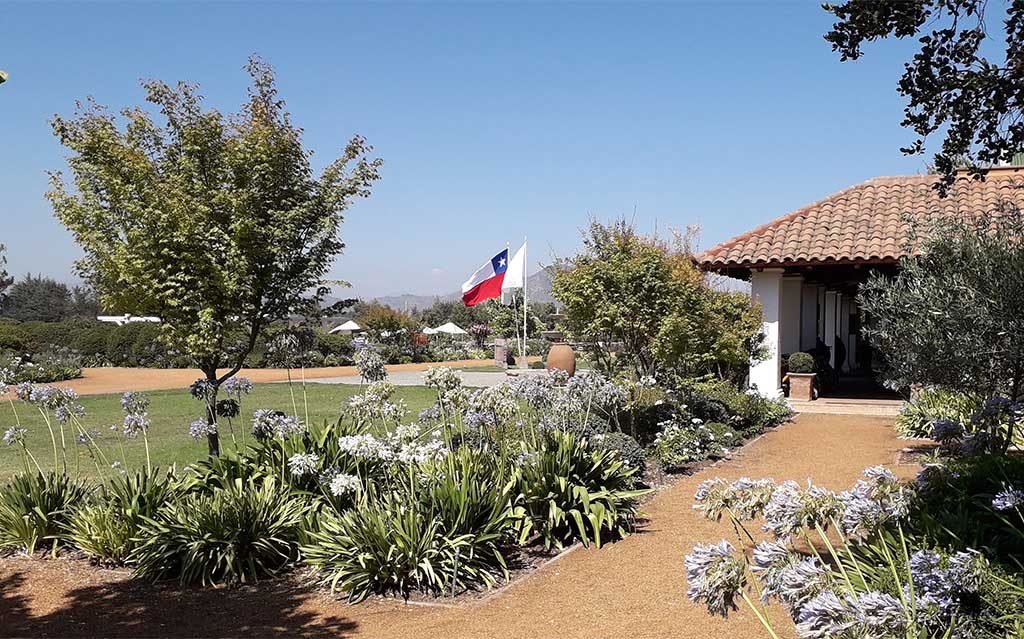
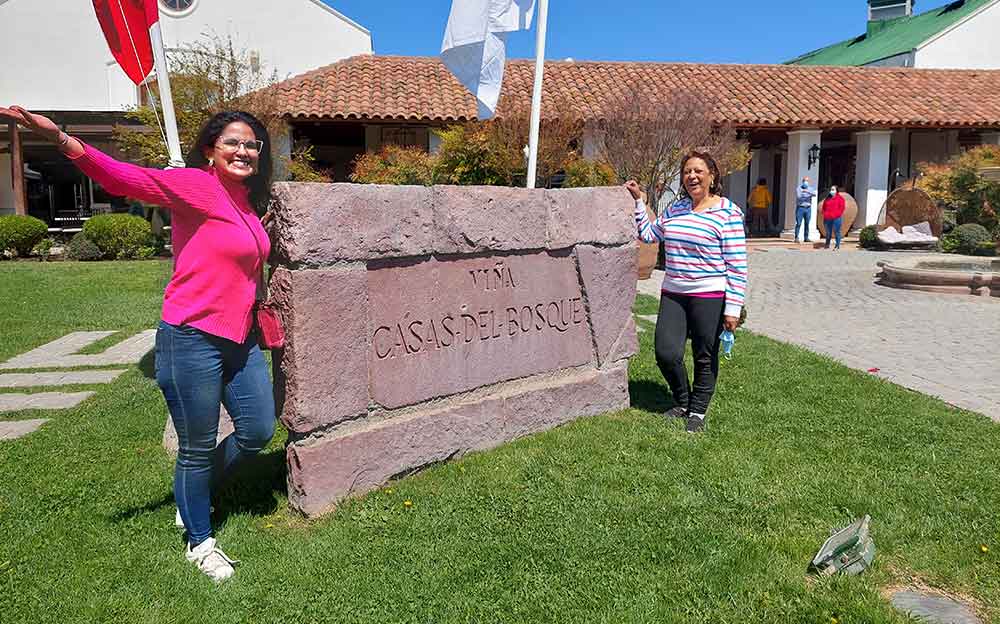
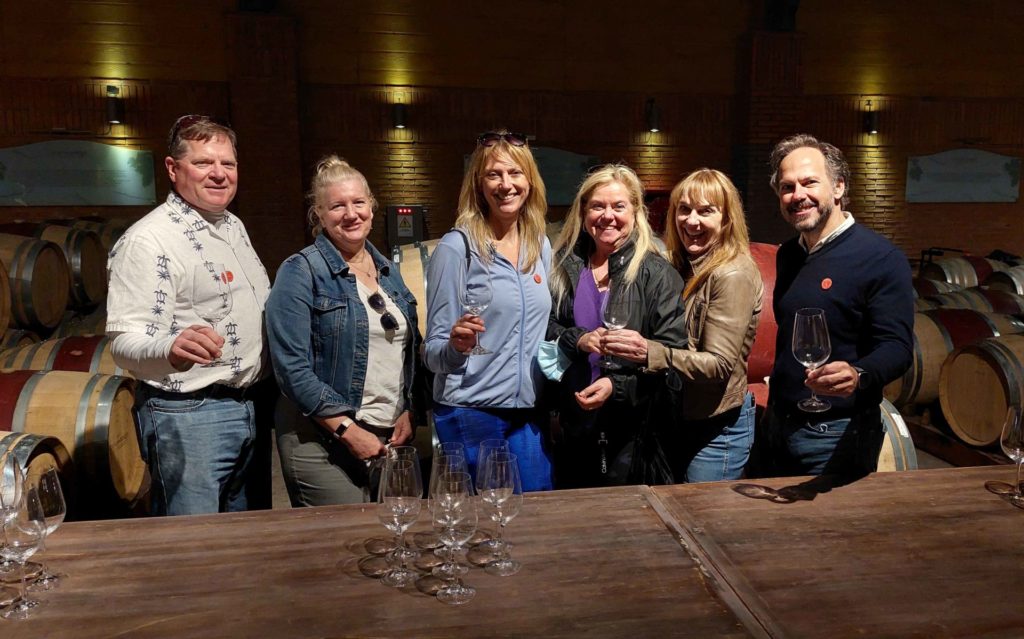
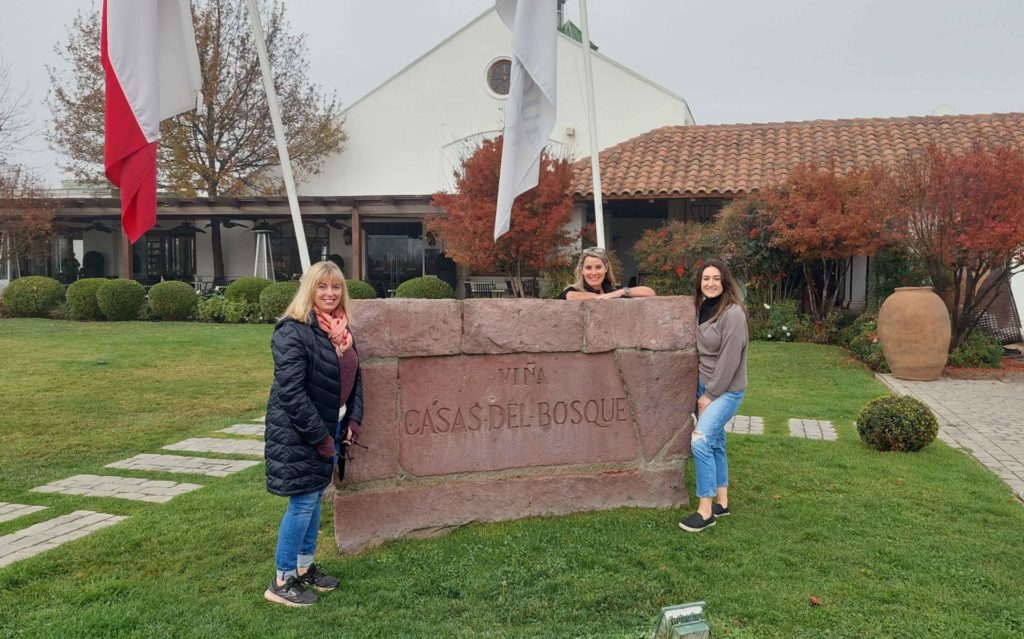
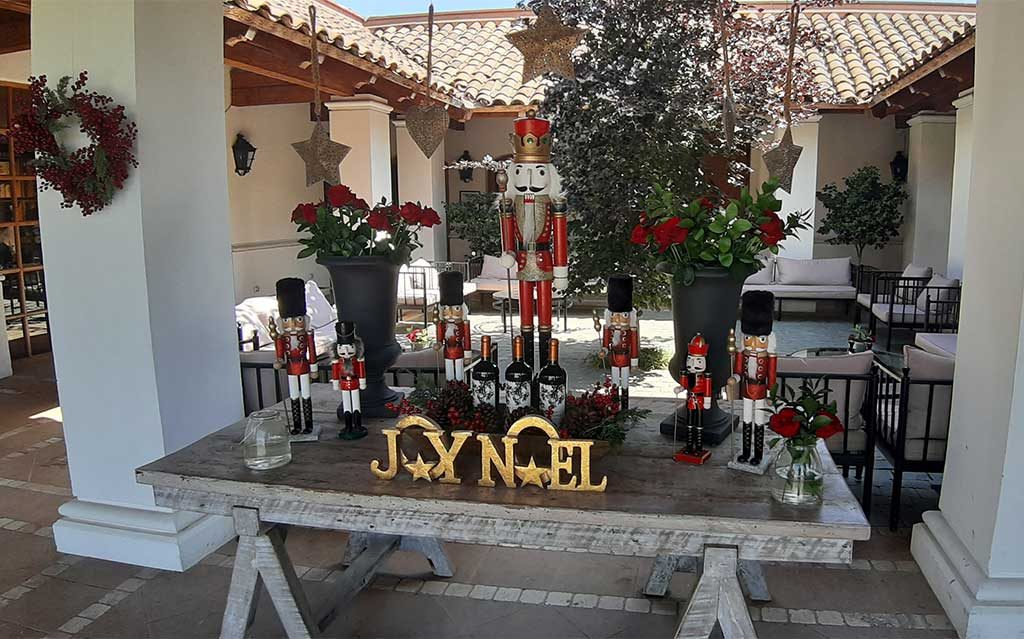
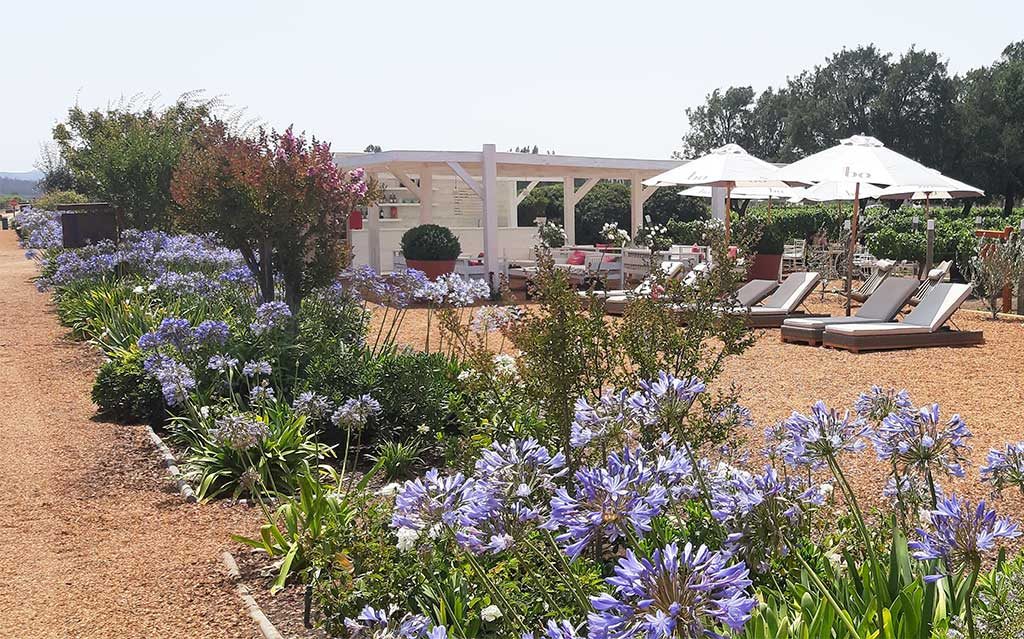
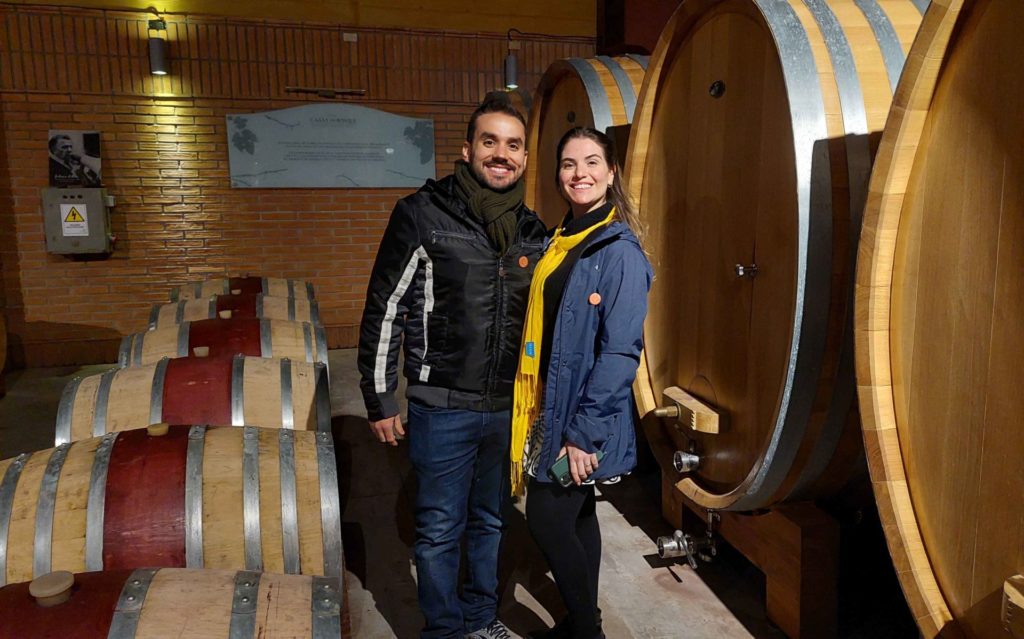
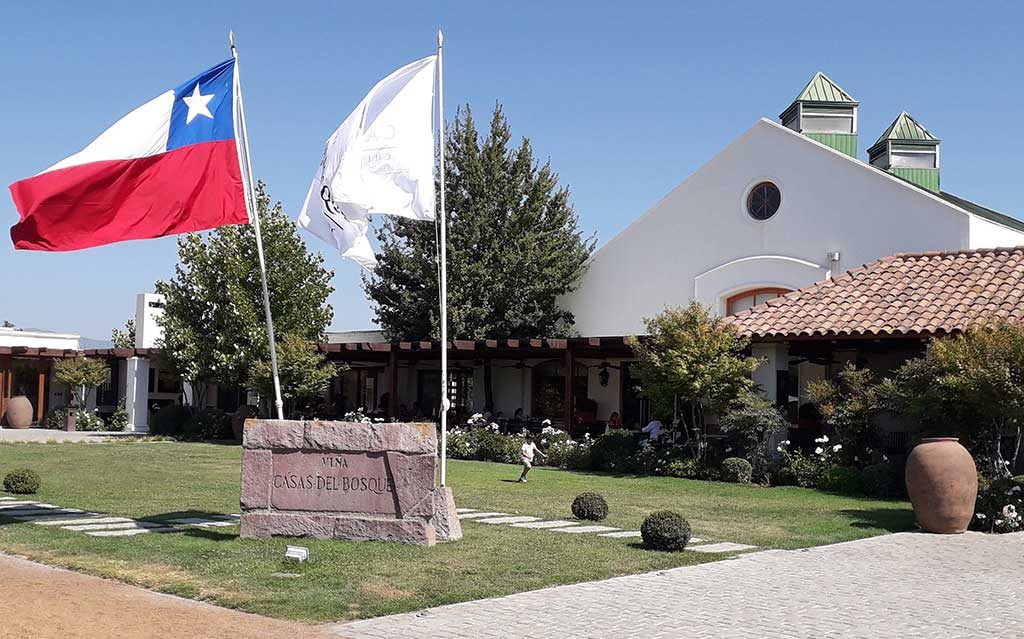
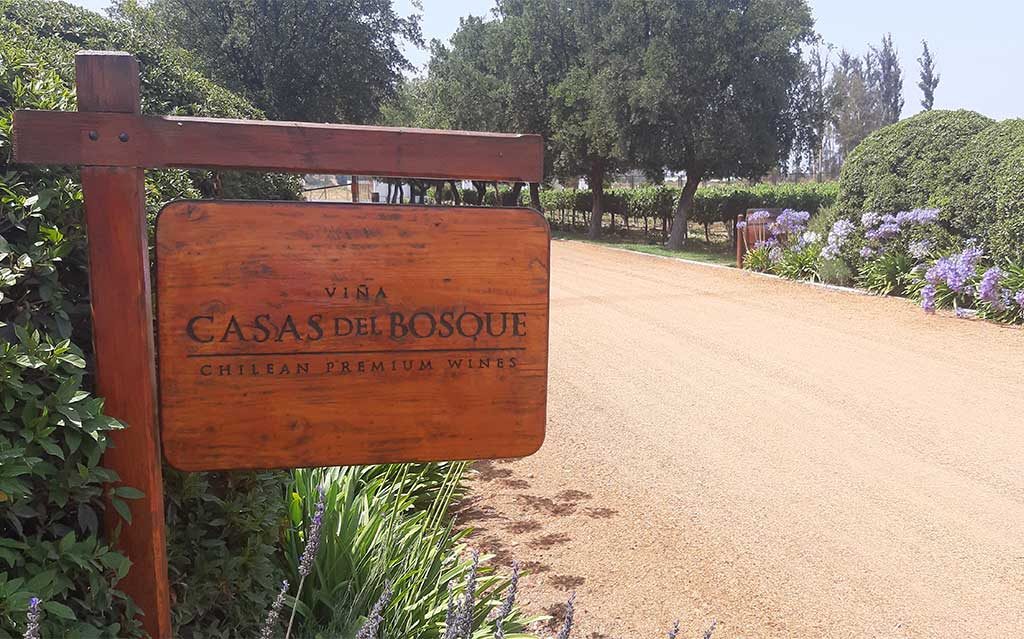
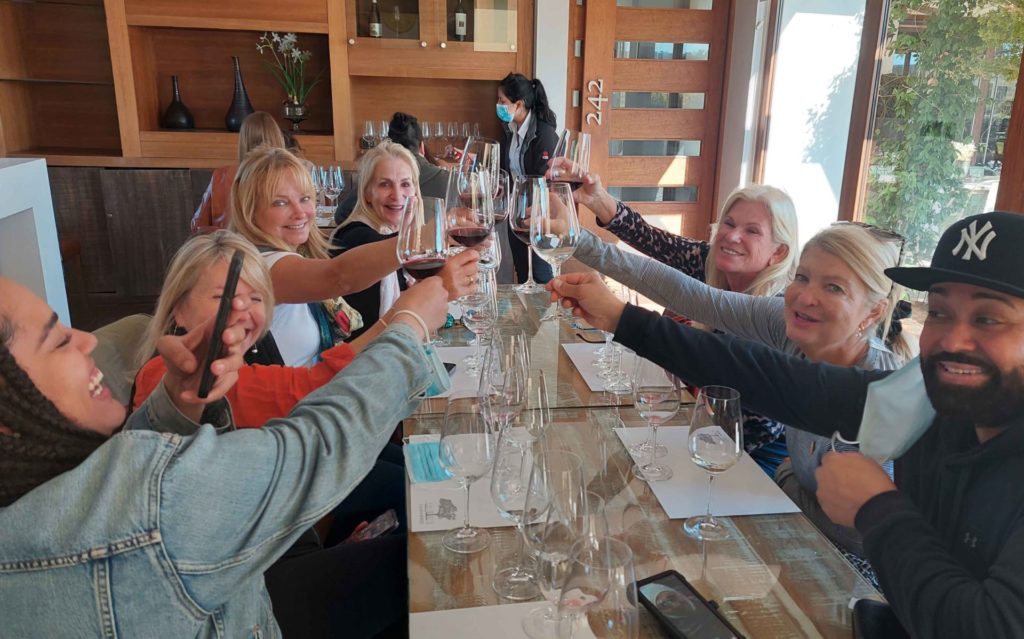
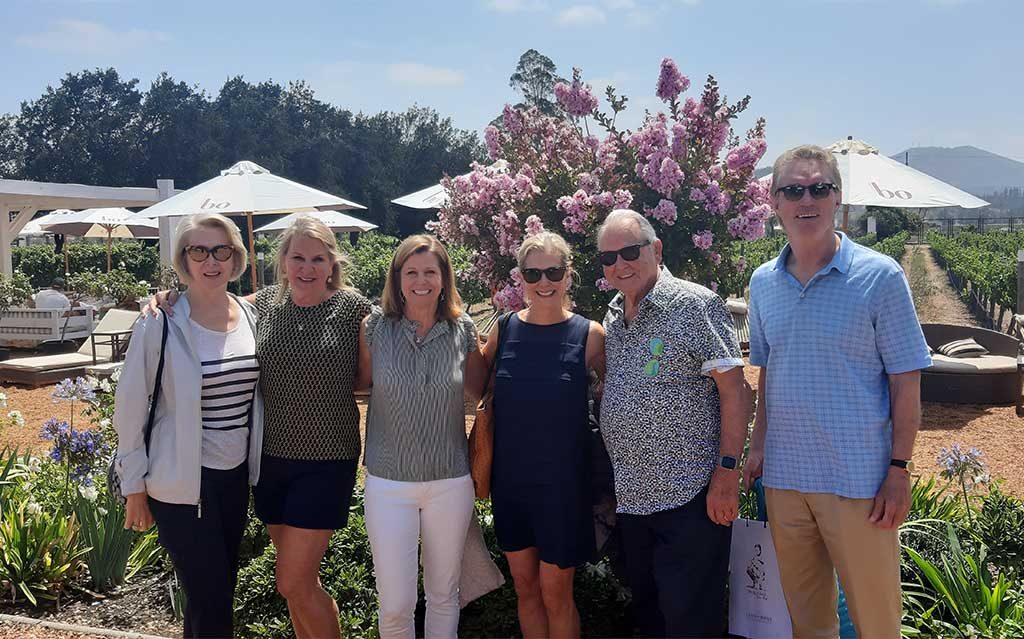
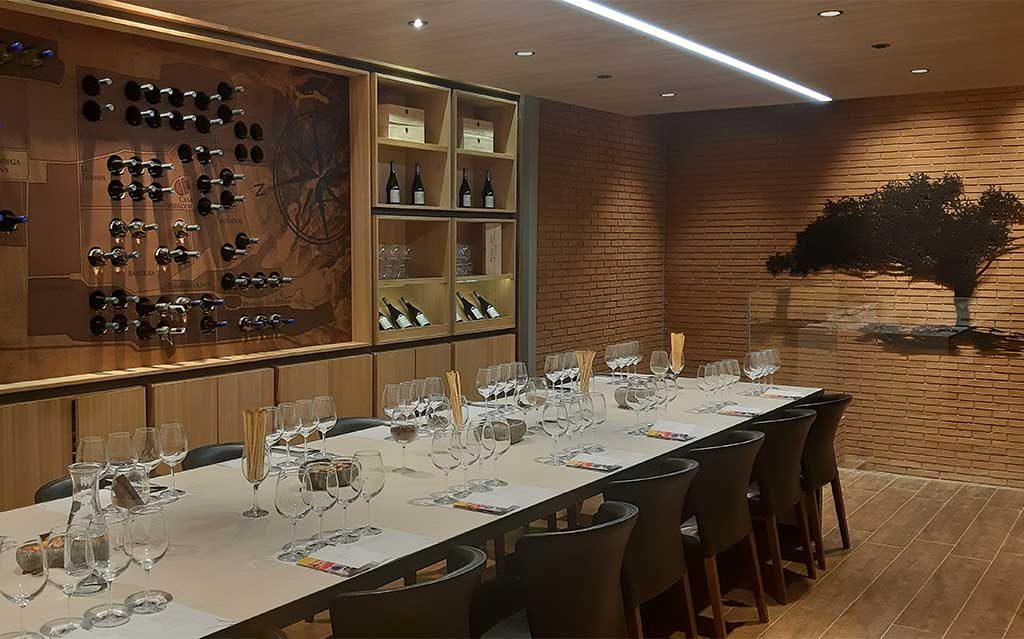
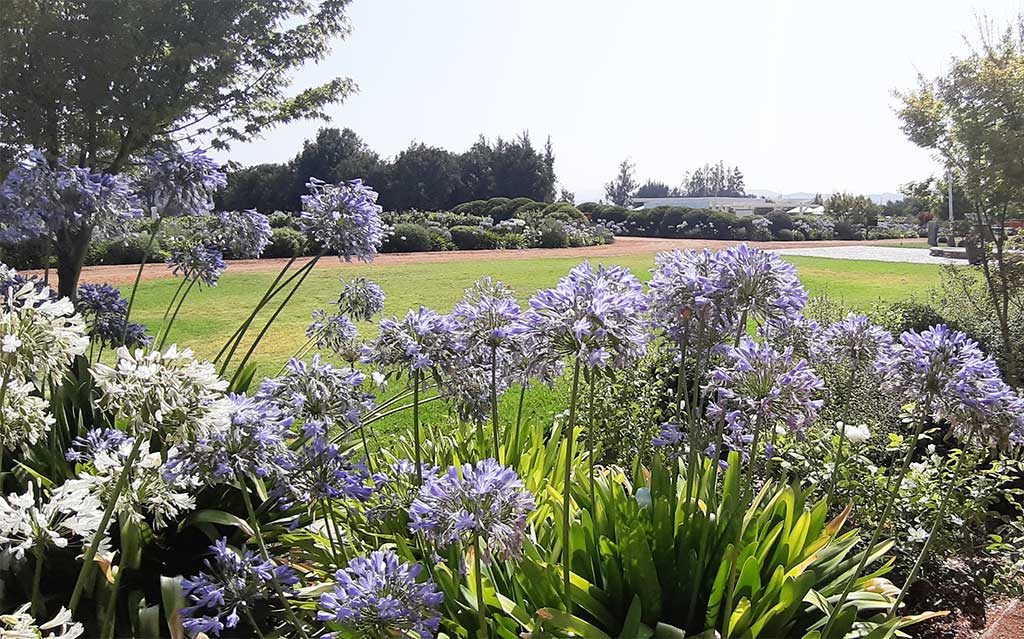
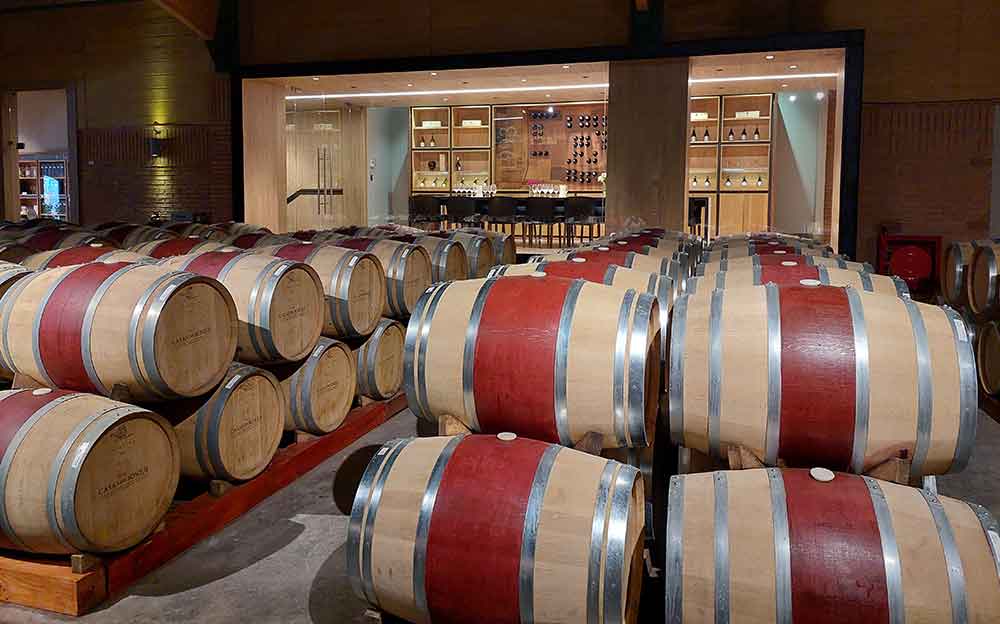
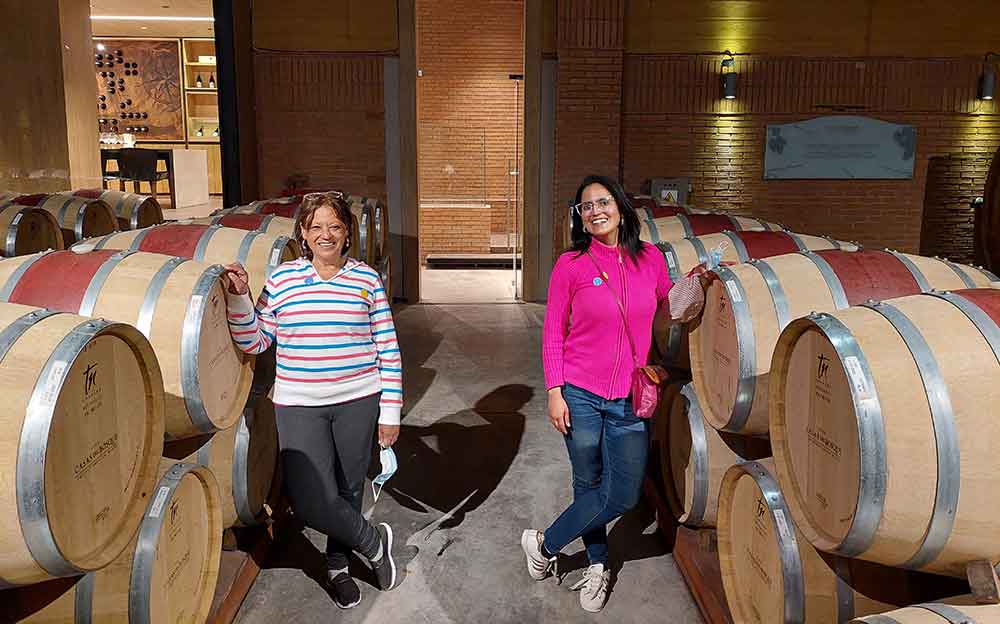
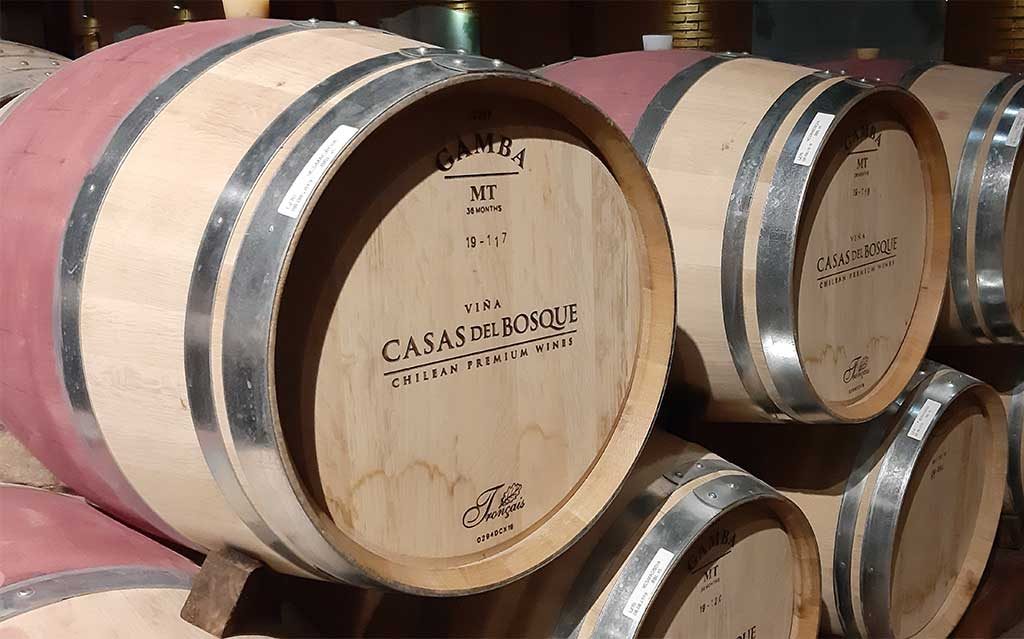
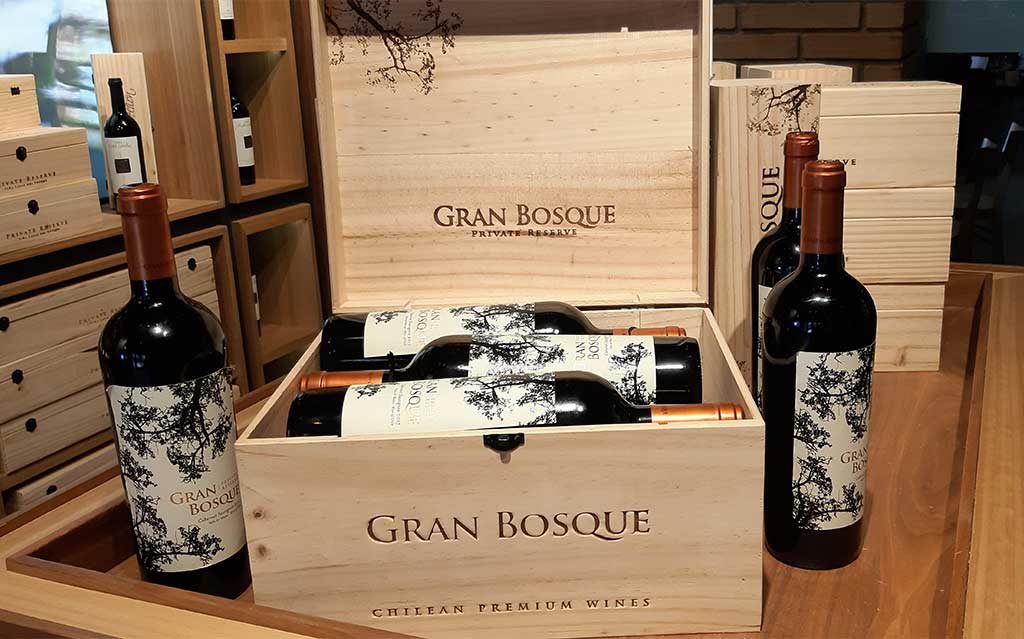
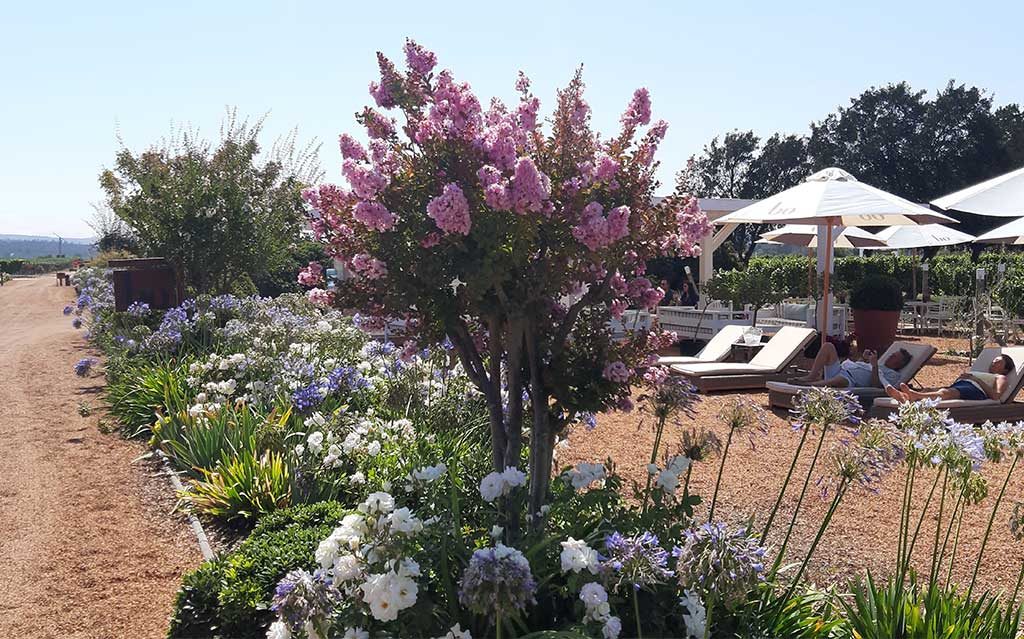
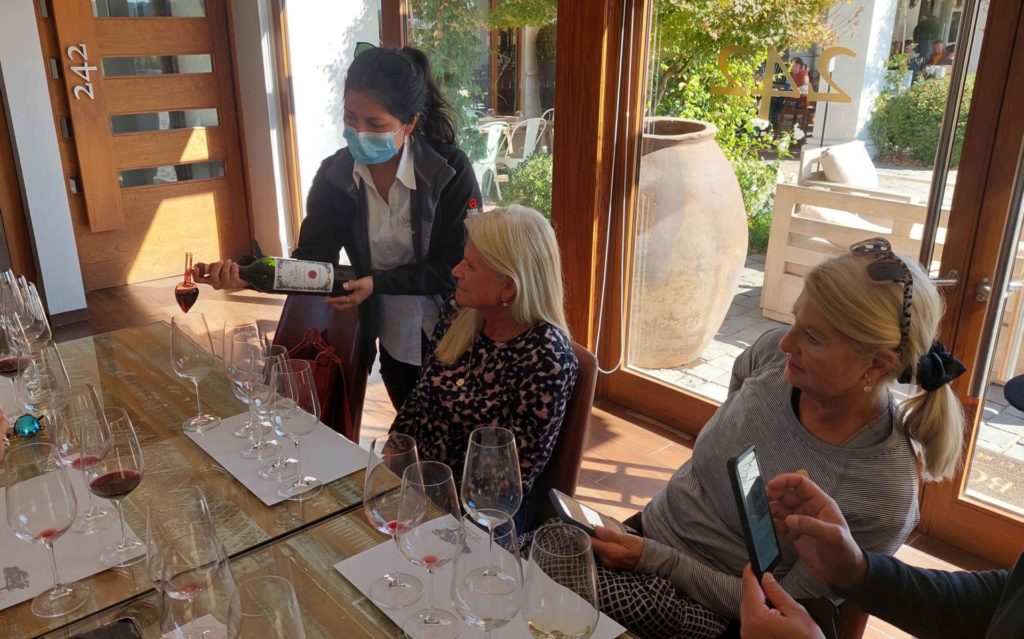
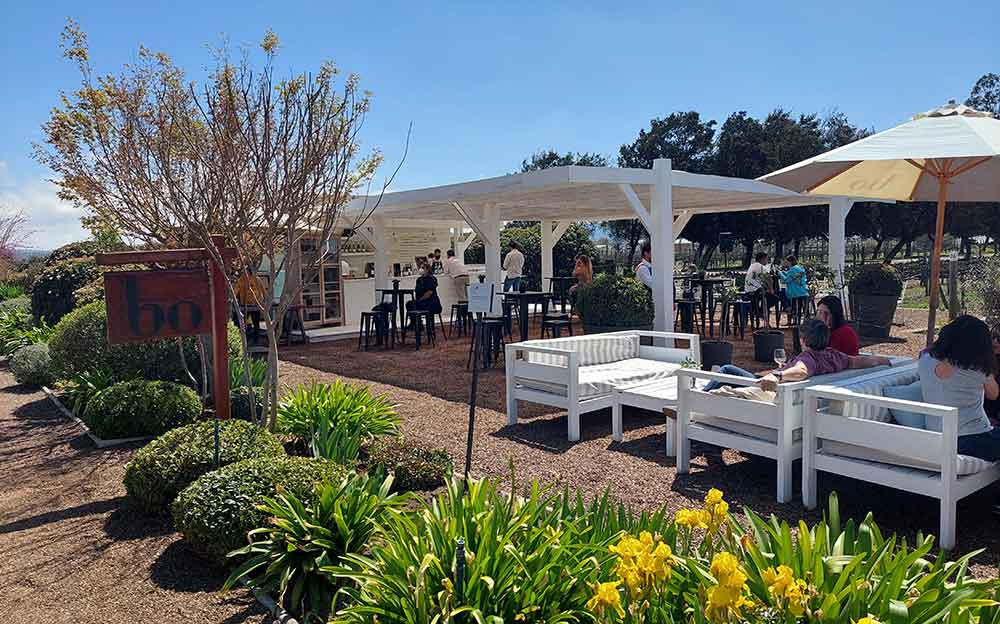
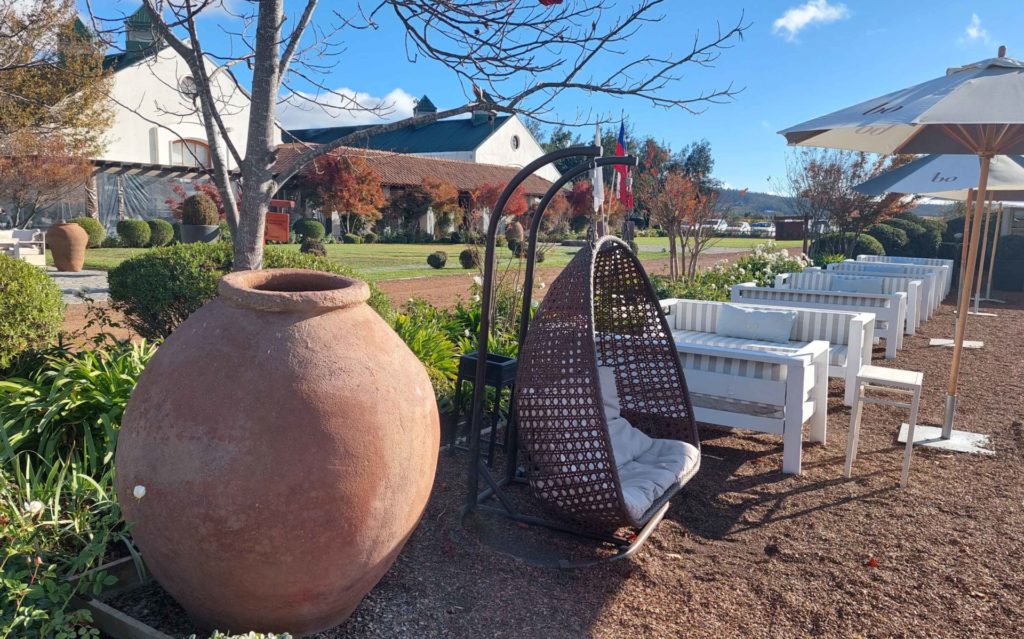
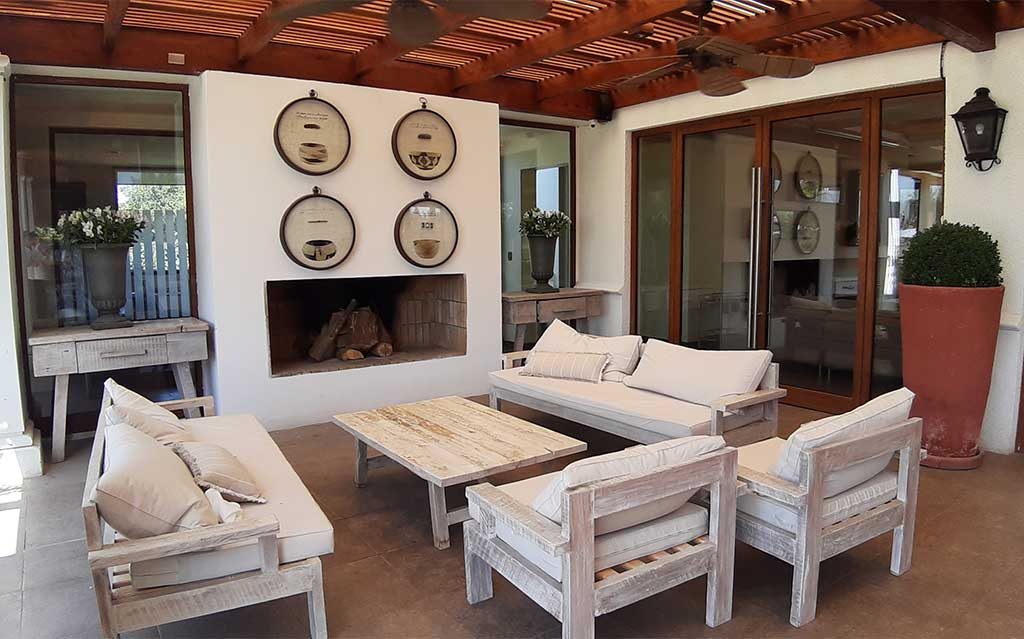
Then, it is wine time! You will journey inland to the Casablanca Valley where we will stop at Casas del Bosque Vineyard for a tour and wine tasting. Today, Casas del Bosque is one of the most important wineries in Chile.
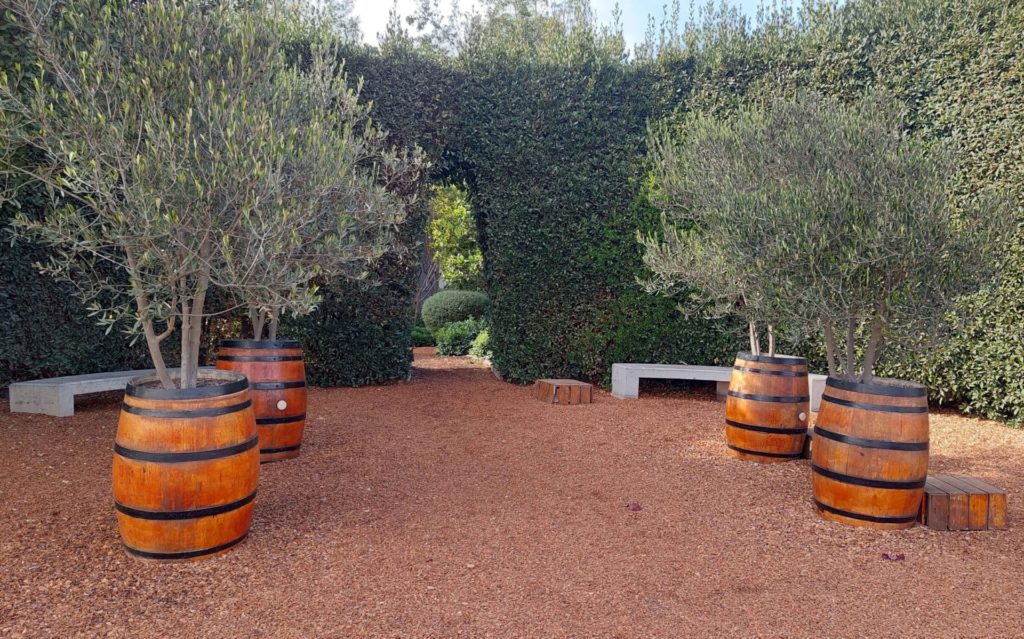
In 1993, a family of Italian descendants established the winery. The large old pine and olive trees, and small white houses of adobe, define the name “Casas del Bosque” (Houses of the Forest).
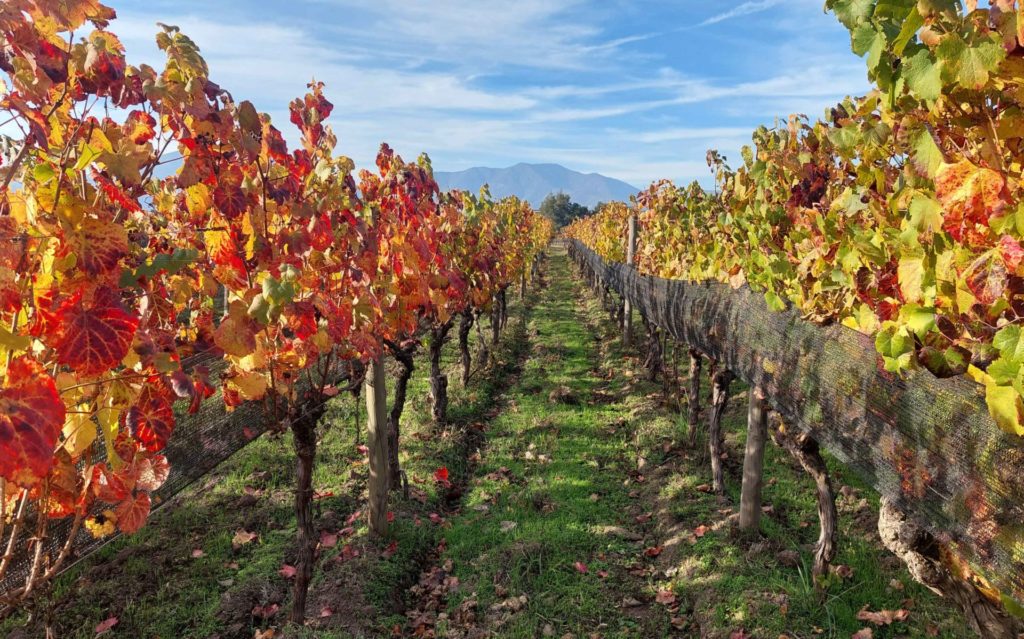
Currently, the vineyard has 580 acres of planted vines, exclusively dedicated to the production of cool-climate varieties of wine, such as Sauvignon Blanc, Chardonnay, Riesling, Pinot Noir and Syrah. One of Casas del Bosque’s biggest strengths is its soil. In the hills, red clay composites of volcanic origin sit on top of decomposed granite layers formed 110 million years ago beneath the Pacific Ocean. This soil gives their wines the unique characteristic sea salt flavor. Casas del Bosque has gained great prestige over the years and in 2010 became the Best Vineyard to Visit in Chile!
Please note:
(1) The order of sites visited may vary.
(2) We believe the best way to explore Valparaiso is by walking its cobblestone streets and alleyways, however, if you have any physical limitations, please let your guide know at the beginning of the tour. If requested, this walking portion of the tour in Valparaiso can be done in the tour van.
(3) Although this is a private tour with your own vehicle and guide, there may be other visitors at the vineyard joining you on the winery tour and tasting, which is beyond our control.